

A taste of true culture
Japanese culinary arts has a rich heritage extending through countless eras, culminating in a feast of modern flavors.
An Introduction to Japanese Culinary Arts
A modern gourmand’s paradise, a culture of balanced simplicity and seasonality, and gastronomic traditions that date back centuries.
Japanese food is well-regarded all around the world as one full of intricate pairings, careful consideration, and high-impact flavor. Its rich culinary heritage began thousands of years in the past, when rice and agricultural society was introduced from China during the Yayoi Period, and has since diversified into a mouth-watering array of dishes, meals, and dining customs. From fresh Tokyo sushi to steaming Osaka takoyaki, each region offers its own local taste for hungry visitors to explore.
A world of flavor awaits in Japan, rich with nuance and steeped in history.
In this Guide:
What is Washoku? (Traditional Japanese Cuisine)
Regional Japanese Specialities
Japanese Culinary Masterclasses
Japanese Culinary Arts FAQ
What is Washoku?
Traditional Japanese Food
A UNESCO-certified Intangible Culture Heritage, washoku, or traditional Japanese food, is more than just a meal. It’s a cultural form of consumption shaped by centuries of history, spiritual practices, and philosophical beliefs.
What Makes a Meal
Some of the most essential parts of traditional Japanese food don’t come down to a single item, but rather from the artfully plated combination of different dishes. Washoku meals generally consist of rice, miso soup, side dishes, and tsukemono pickles, in addition to the main highlight served. This concept is generally known as “ichiju-sansai,” which translates to “one soup, three dishes,” and stems from the Muromachi Period.
Common Japanese Ingredients
From the 7th century onwards, the consumption of meat was forbidden by the Japanese emperor due to Buddhist principles, resulting in a national diet that heavily featured fish, vegetables, beans, and rice. This ban lasted over 1200 years and was only lifted in the Meiji Period with the influx of Western culture. Dashi, a core ingredient in countless classic Japanese recipes, was initially developed as a way to mimic the umami flavor of meat without violating religious principles. Other key bases to the flavor of Japanese cooking aside from dashi includes soy sauce, mirin, and sake, with fermentation also playing an essential role.
Iconic Japanese Dishes
Despite the influence of a variety of other country’s cuisine, namely Chinese and Western, Japanese food has countless iconic dishes that are emblematic of Japan. Some of the most easily recognizable Japanese foods include meals like sushi, tempura, udon, and soba, many of which originated in Japan’s relatively modern Edo Period, as food culture and societal structure greatly changed.
What shapes the taste?
National Dishes, Local Flavor
Differences in geography and culture impacted the development of Japanese cuisine throughout the country’s various regions. While international perspectives might view Japanese food as unified, many dishes developed hyper-locally: the sushi many know and love, for example, developed in Edo-era Tokyo. Aside from this specific Edo-mae style, countless other styles of sushi also exist in Japan, flourishing in their respective hometowns: Tohoku-style izushi left to ferment under stone, Osaka battera sushi featuring pickled layers of mackerel, cake-like Toyama masu-sushi with thick portions of rice covered with trout.
Seasonality in Japanese Food
Another key component of Japanese food is seasonality. With 72 officially identified micro-seasons, appreciation of seasonality is essential in Japanese cuisine, going beyond merely the selection of ingredients at peak freshness, to paying reverent attention to holidays, festivals, and the passage of time. For example, wagashi sweets follow strict seasonal timelines, with offerings like sakura mochi produced exclusively in spring, or kuzumochi consumed solely in the summer, while elaborate kaiseki course meals make exacting use of seasonal produce and presentation.
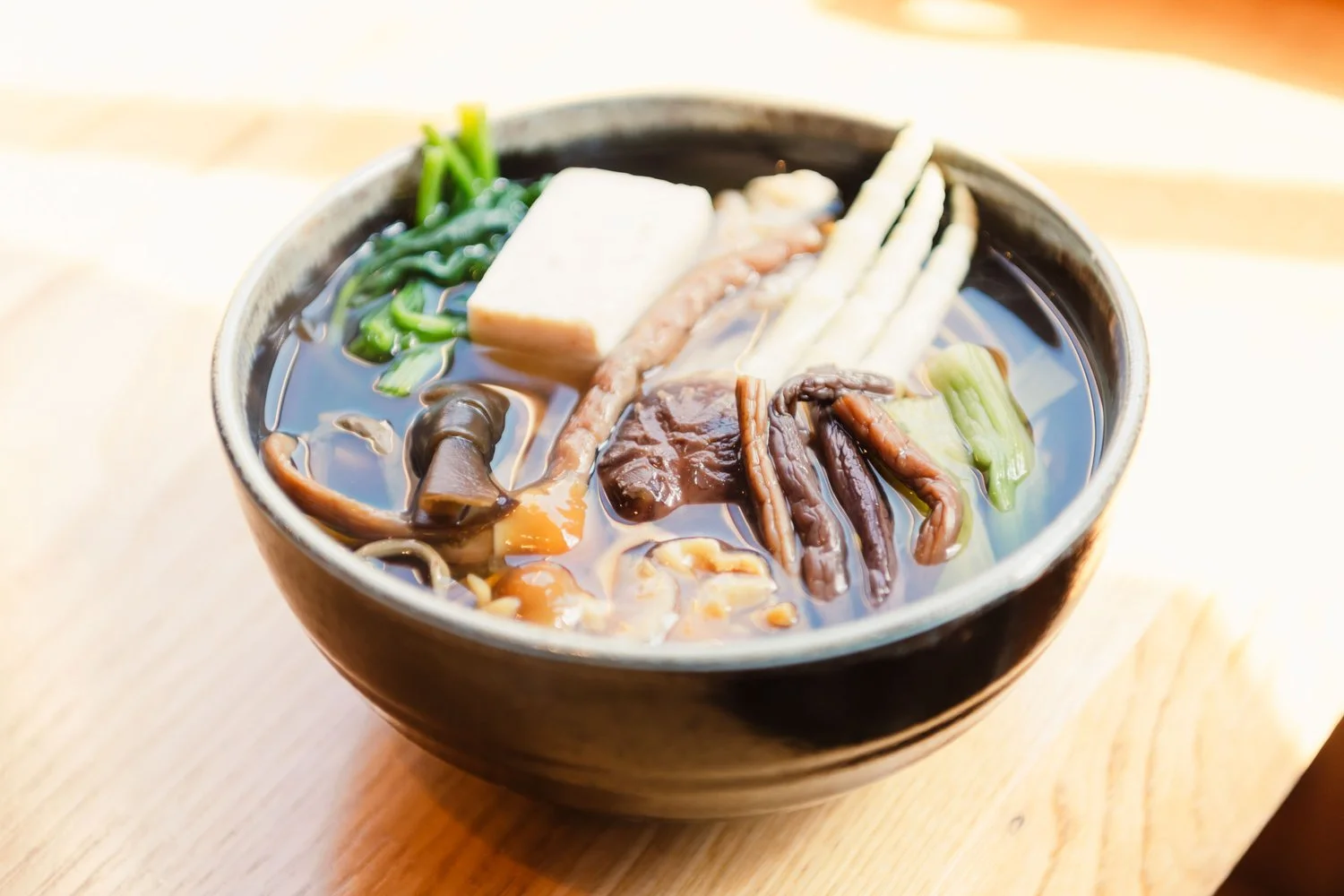
Japanese Culinary Masterclasses
Make sushi under the tutelage of a sushi master, dive into the elegant world of tea, and explore a wide range of authentic flavors in culinary masterclasses during your next trip to Japan.
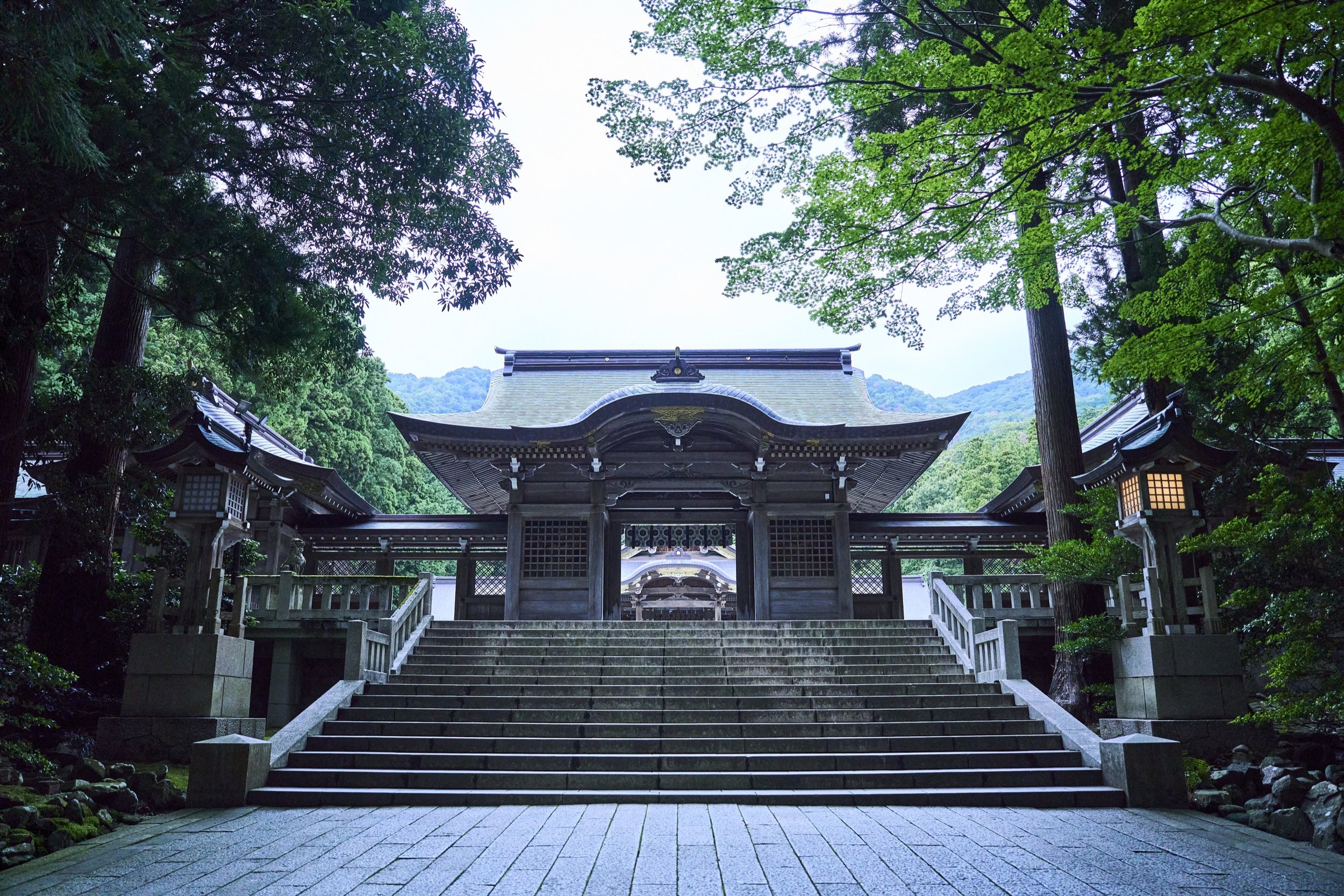
See how sake, the drink of the gods, is made at a brewery near famed Yahiko Shrine
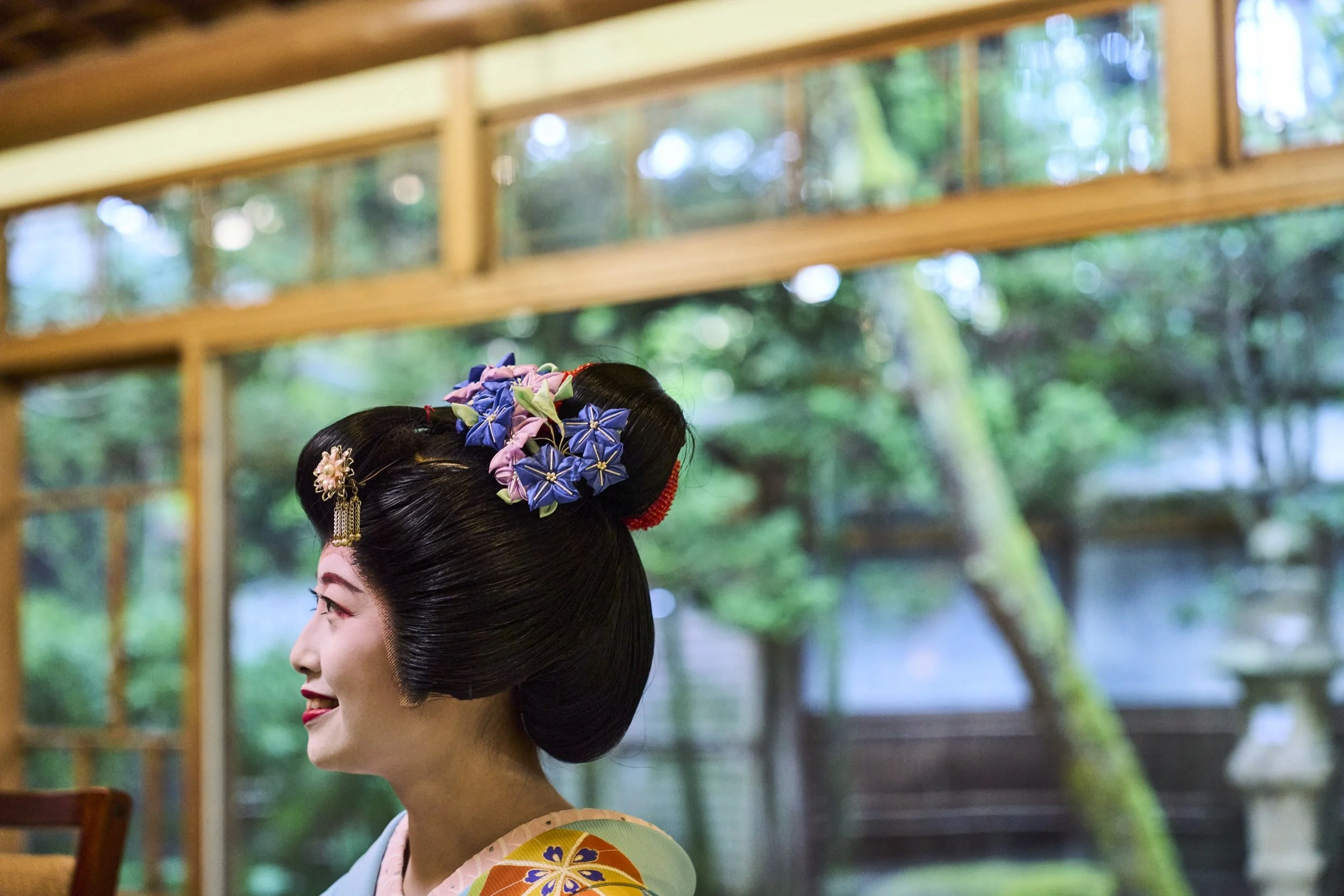
At an exclusive ryotei hidden in a garden, enjoy kaiseki dinner with Niigata geisha.
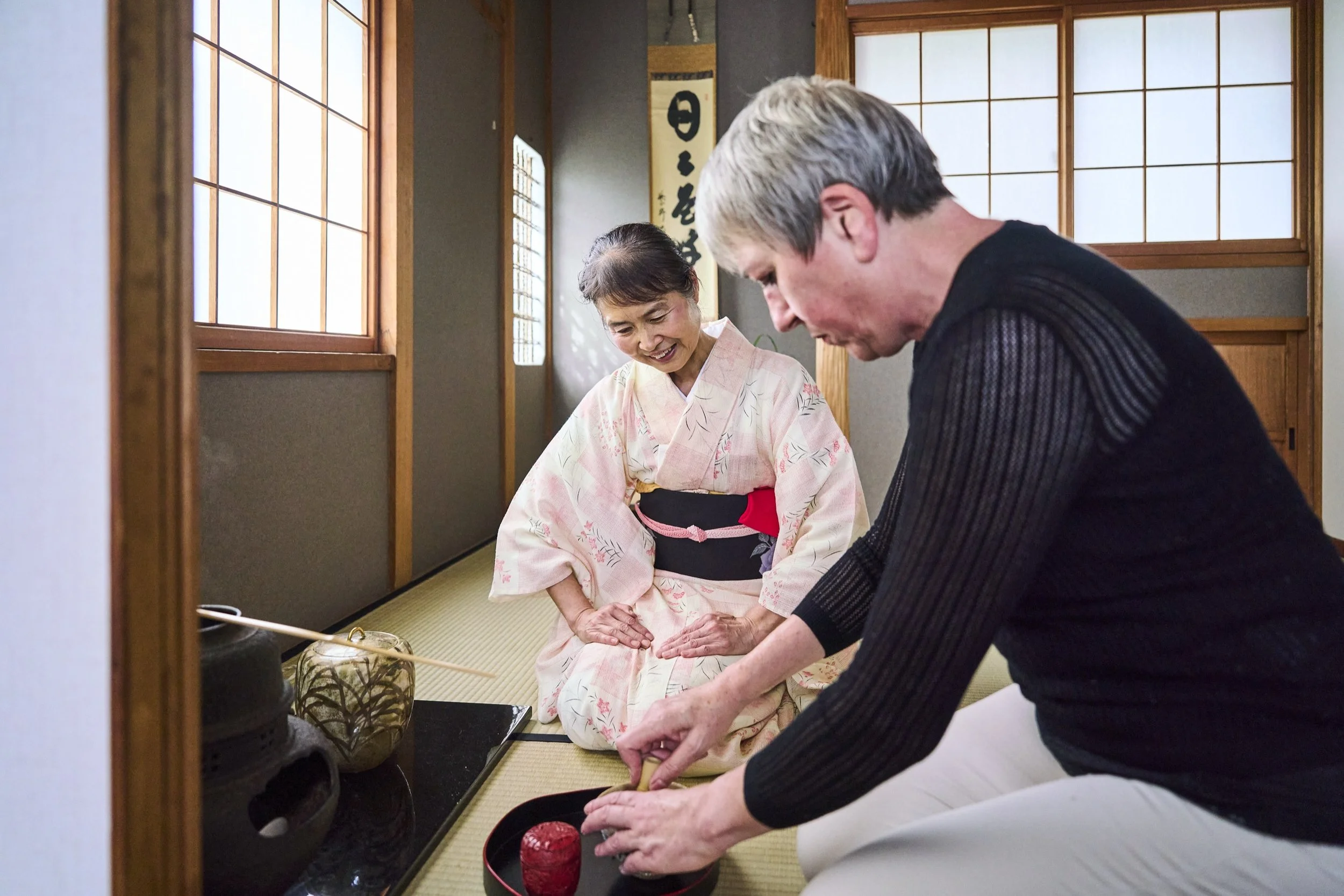
Experience pure hospitality in historic settings with a tea ceremony led by a master.
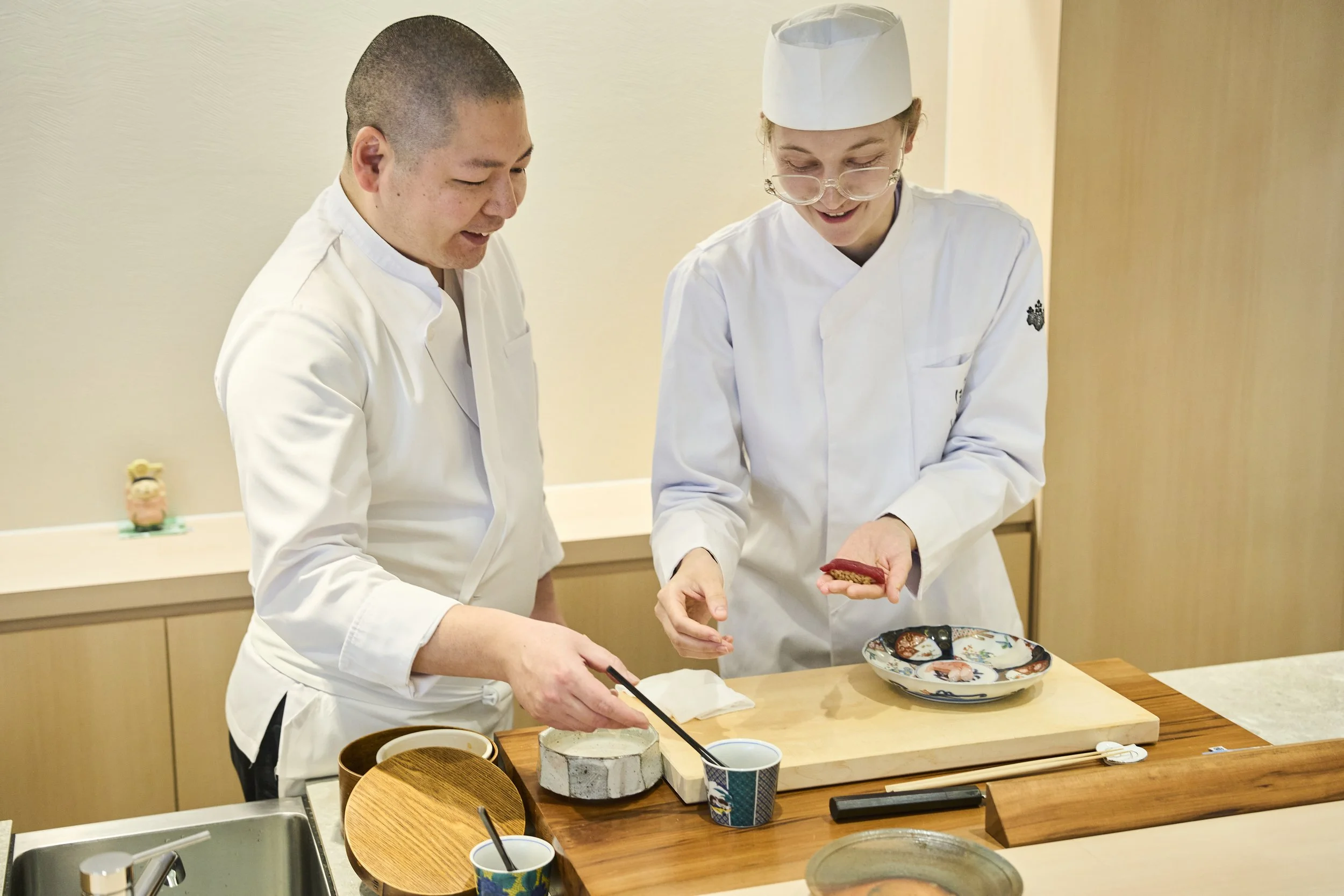
Immerse into Niigata's culinary culture with a sushi chef, from market to meal.

Savor new takes on established spirit-producing traditions, crafted locally in Kanazawa
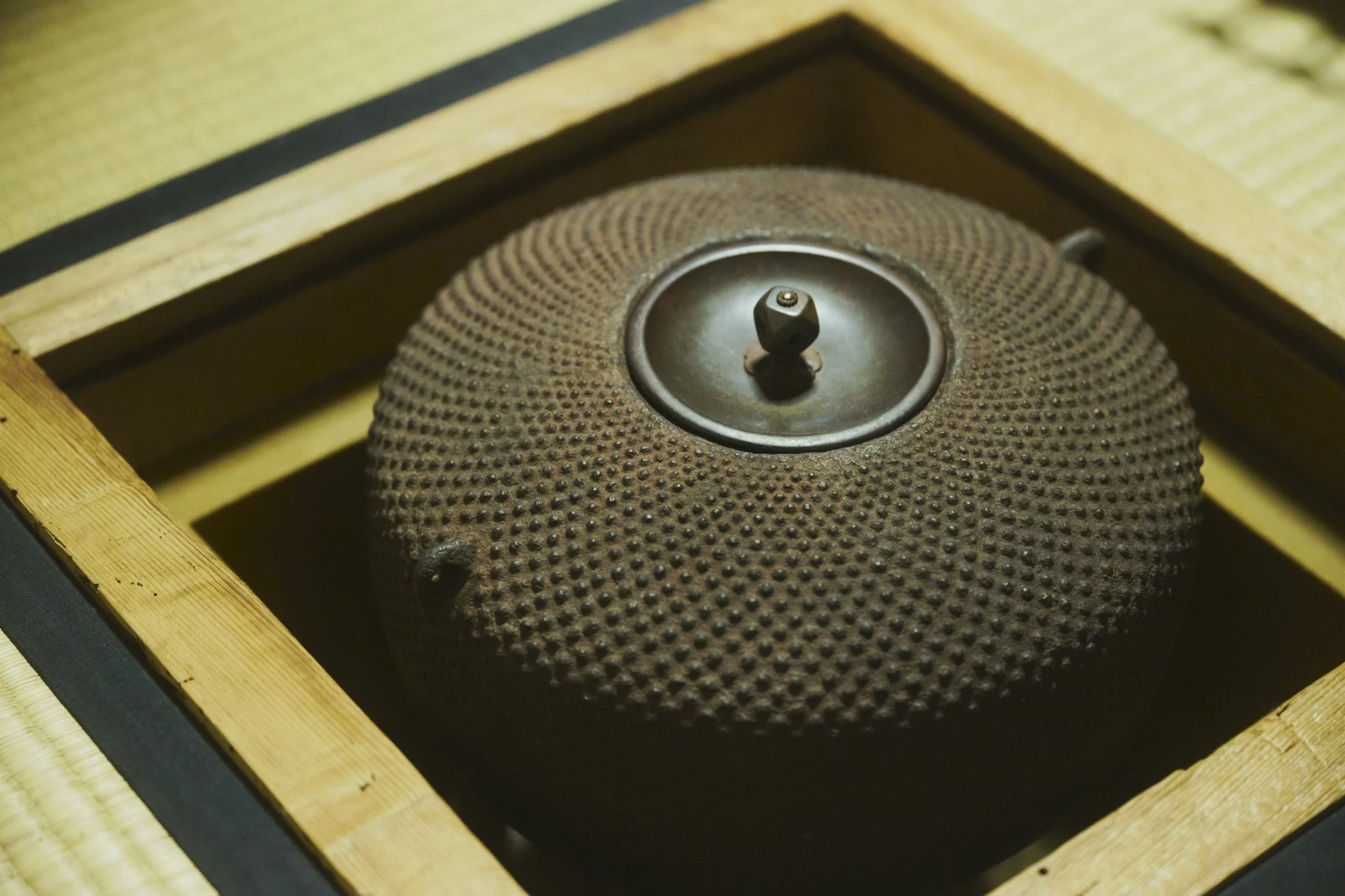
See where cast-iron craft and tea ceremony combine at a 14th-generation studio

Experience the refined hospitality of Kanazawa’s geisha, paired with fine dining

Explore the hidden crafting secrets of a historic sake brewery founded in 1625

Savor new takes on spirit-producing traditions, crafted locally in Kanazawa

Experience sake brewed using only premium rice and mineral-rich mountain water

Savor the sweetness of wagashi at a confectionery with 18 generations of history

Experience the bold flavors of koji, a centuries-old Japanese culinary tradition
Kanazawa
Tokyo
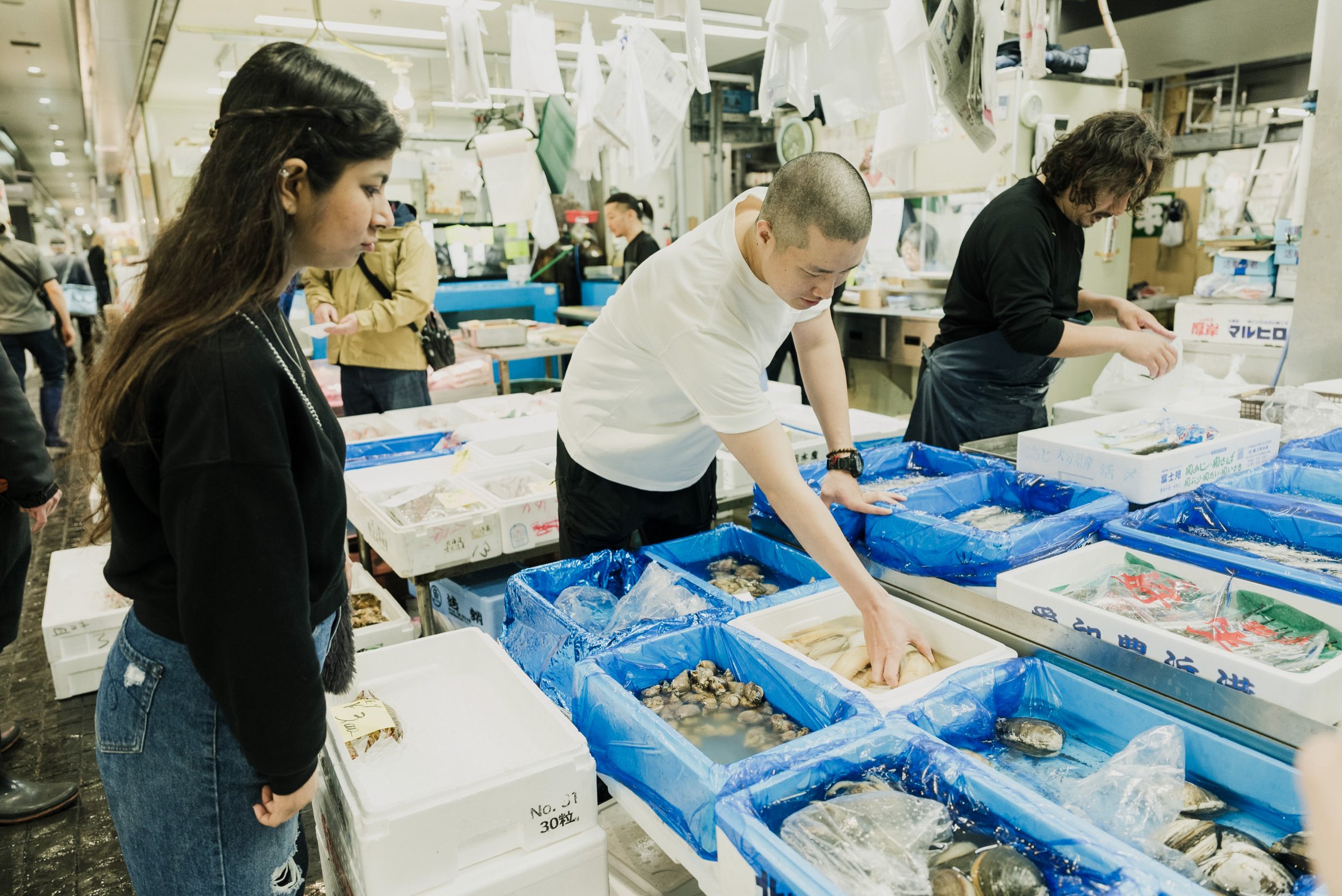

Indulge in the perfect pairing of premium sake and exquisite seasonal cuisine
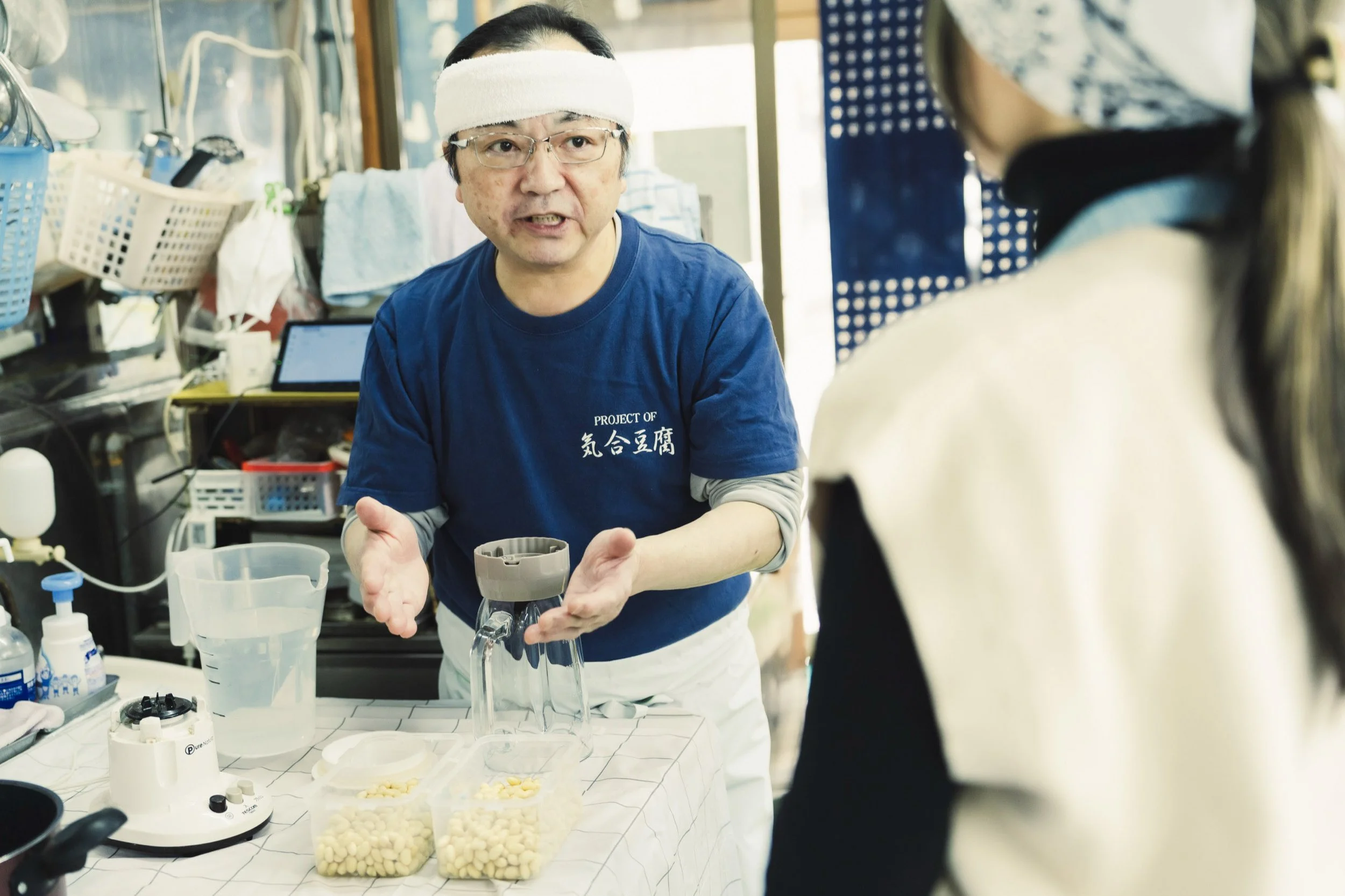
Craft tofu, the staple of Japanese cuisine, with a 3rd-generation tofu maker in Tokyo
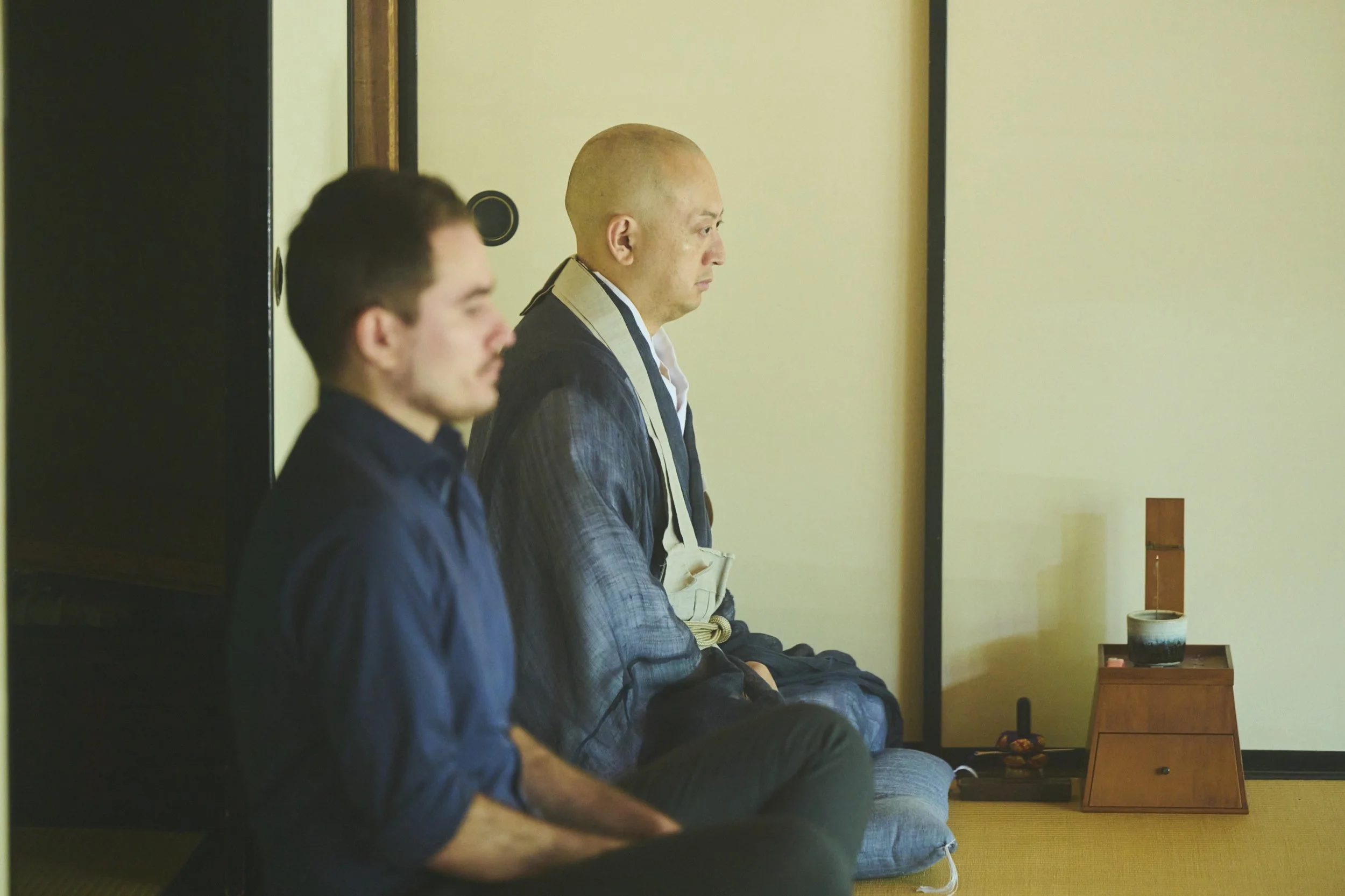
Settle into quiet zazen meditation at a Zen temple located in the heart of Tokyo
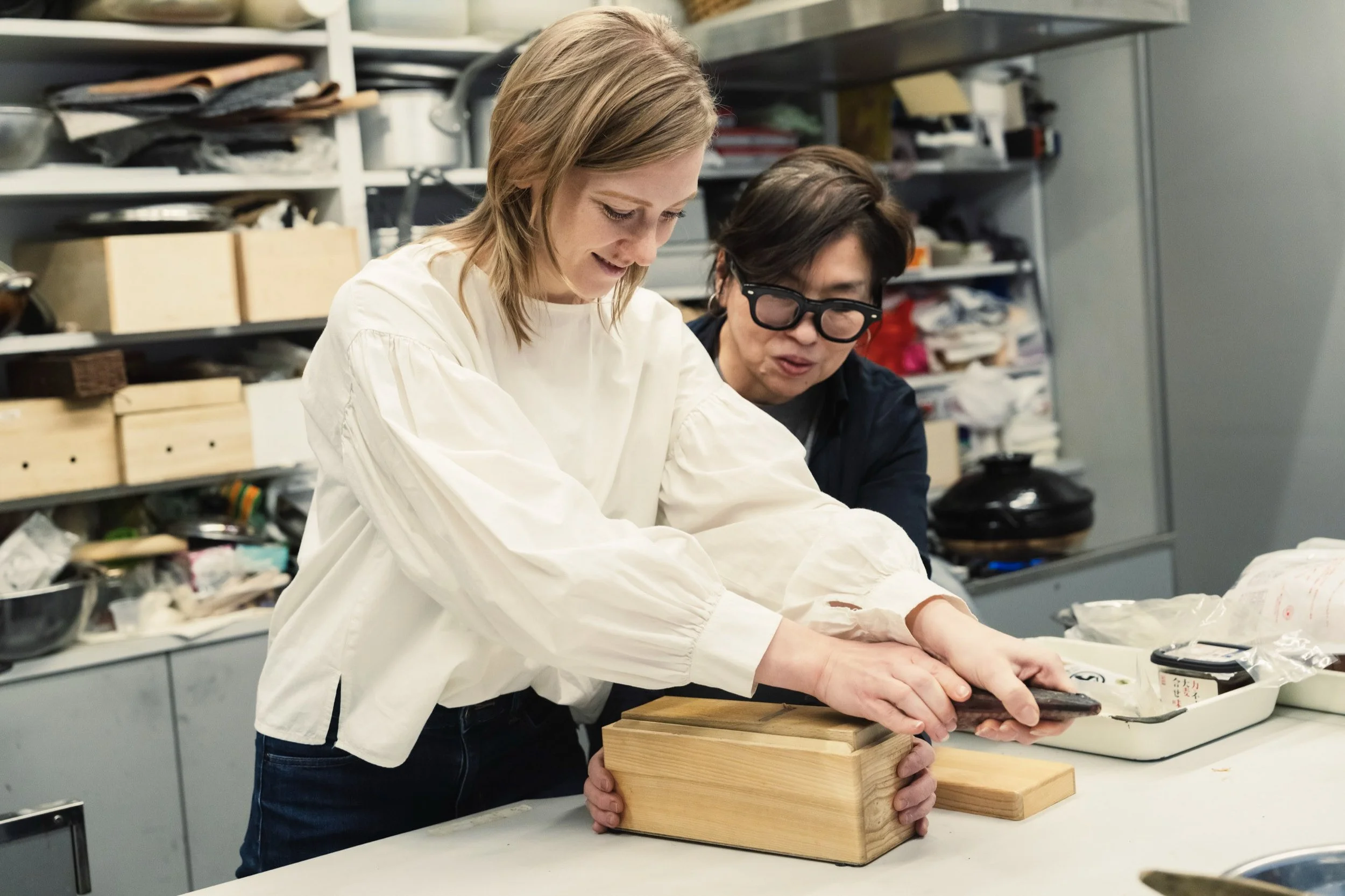
Dive into the world of dashi soup with a 9th-generation mercantile culinary master
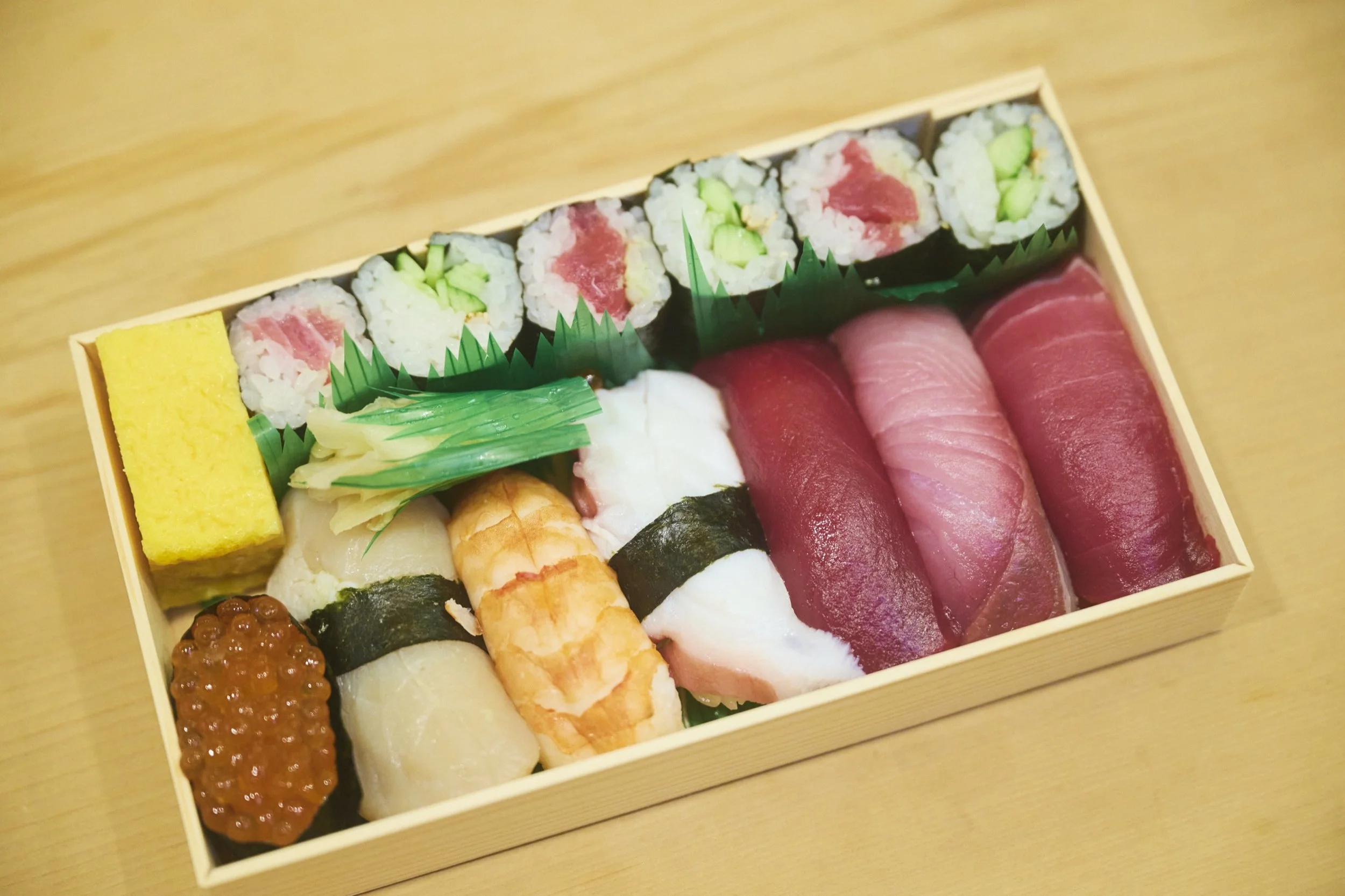
Craft sushi with a 5th-generation chef at a restaurant in Tokyo's waterside district
Osaka + Kansai
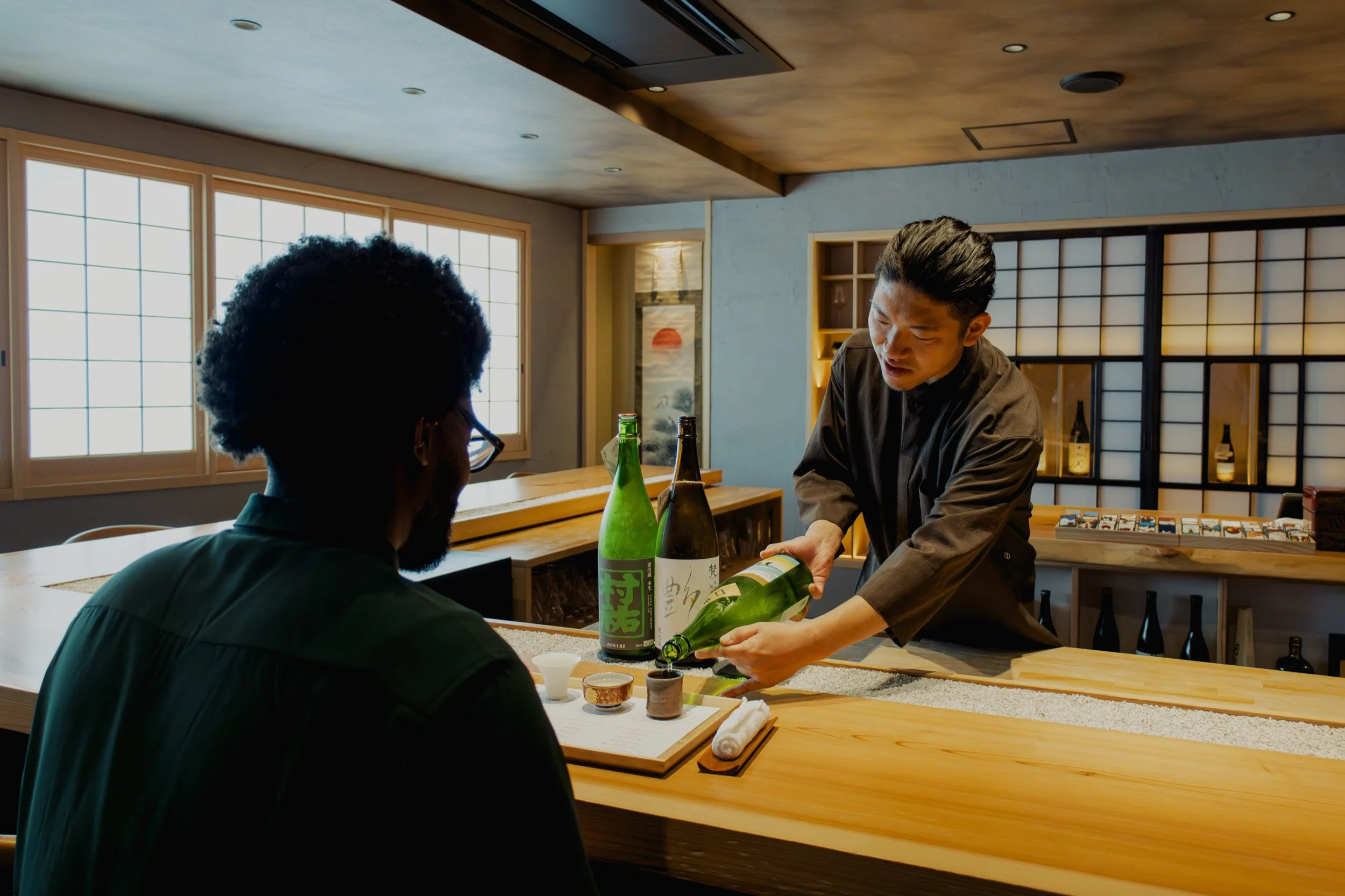
Embark on a palatable journey of various Japanese sake curated by a former brewer
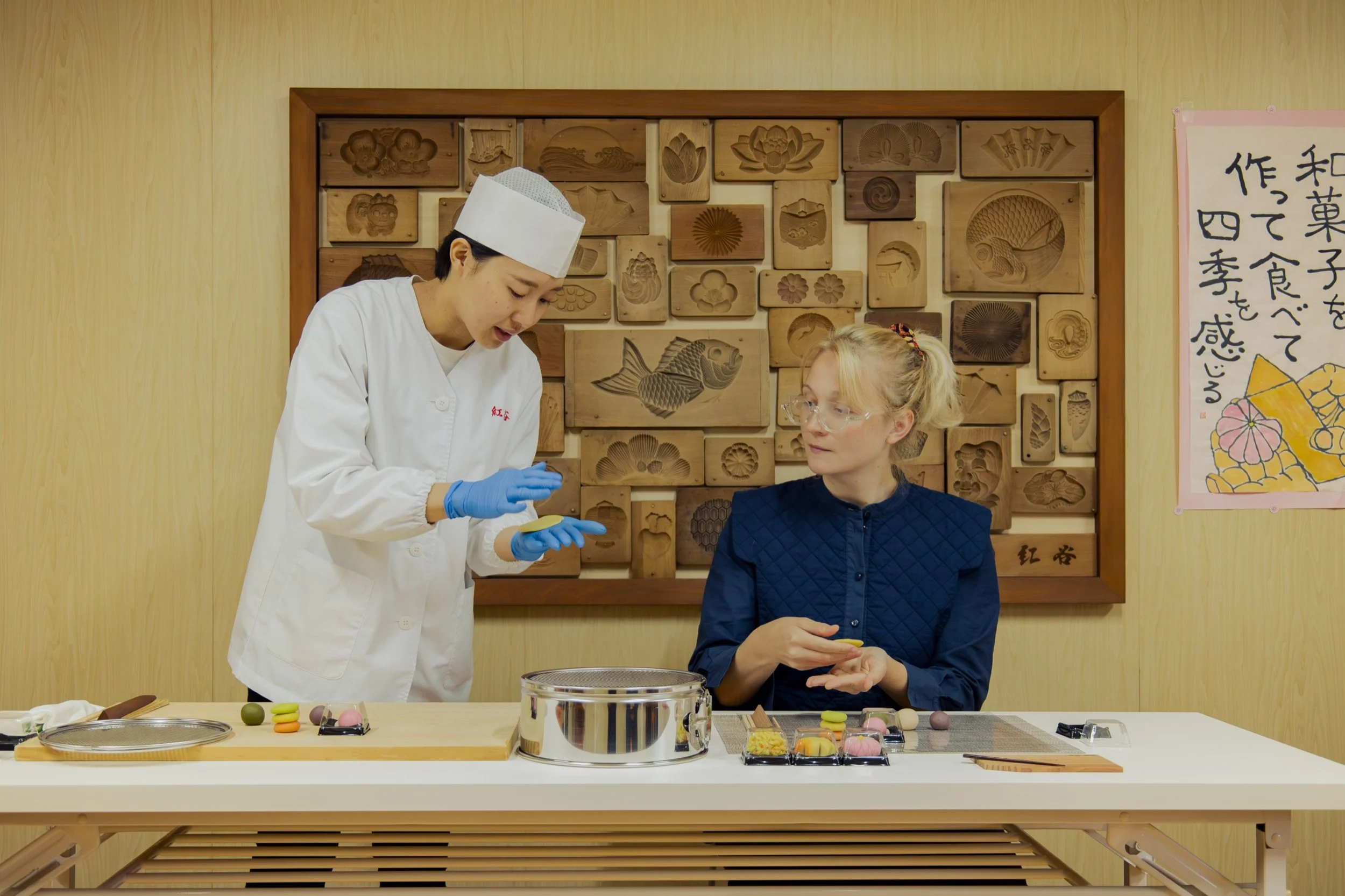
Taste the tradition of Japanese wagashi sweets in a private workshop near Ise Jingu
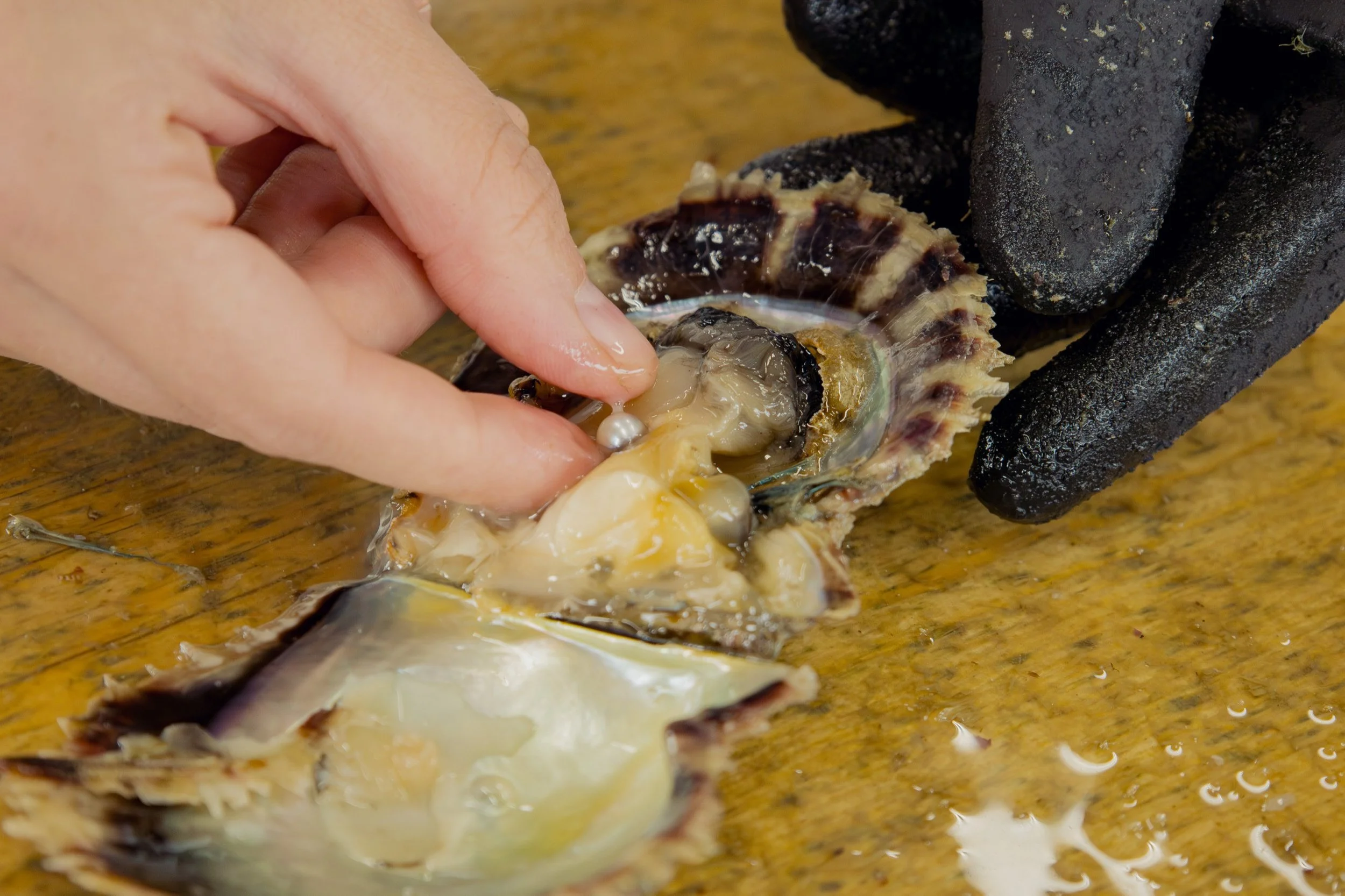
Radiant elegance and artisan knowledge combine in this immersion into Mie's pearls
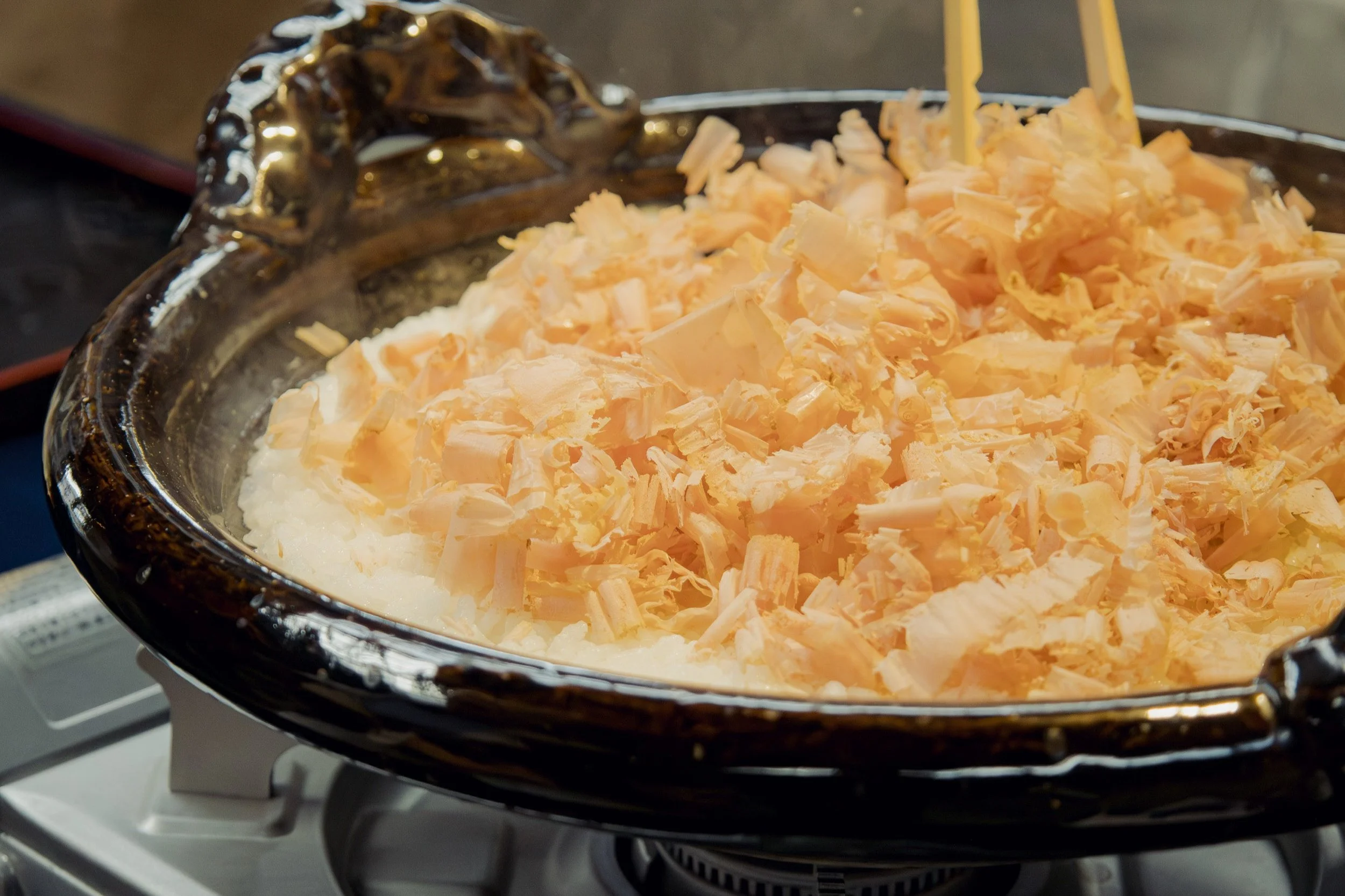
Simmered, smoked, aged, and sliced, discover the depth katsuobushi brings to cuisine
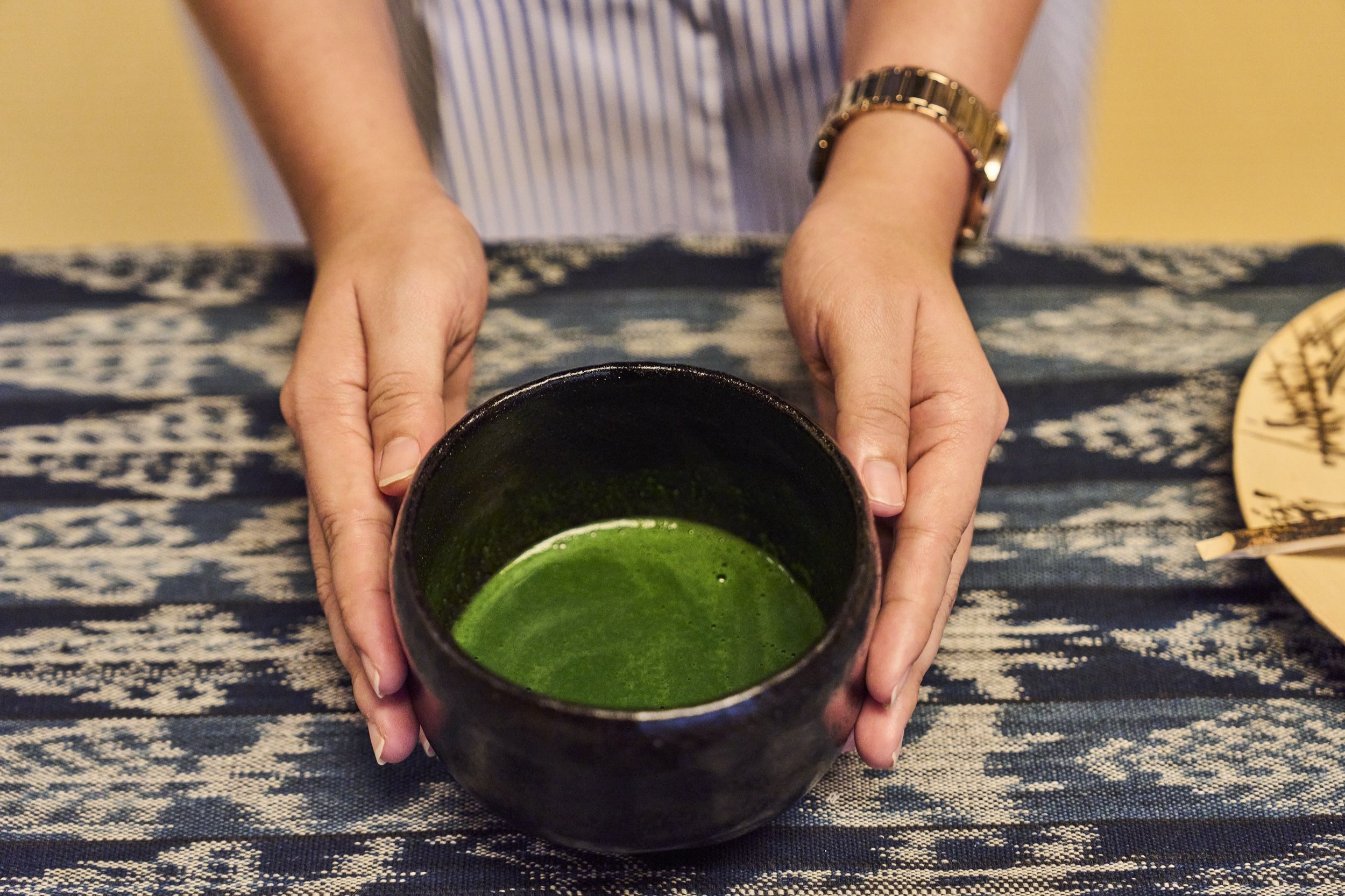
Experience unparalleled hospitality in a private garden with a tea ceremony master
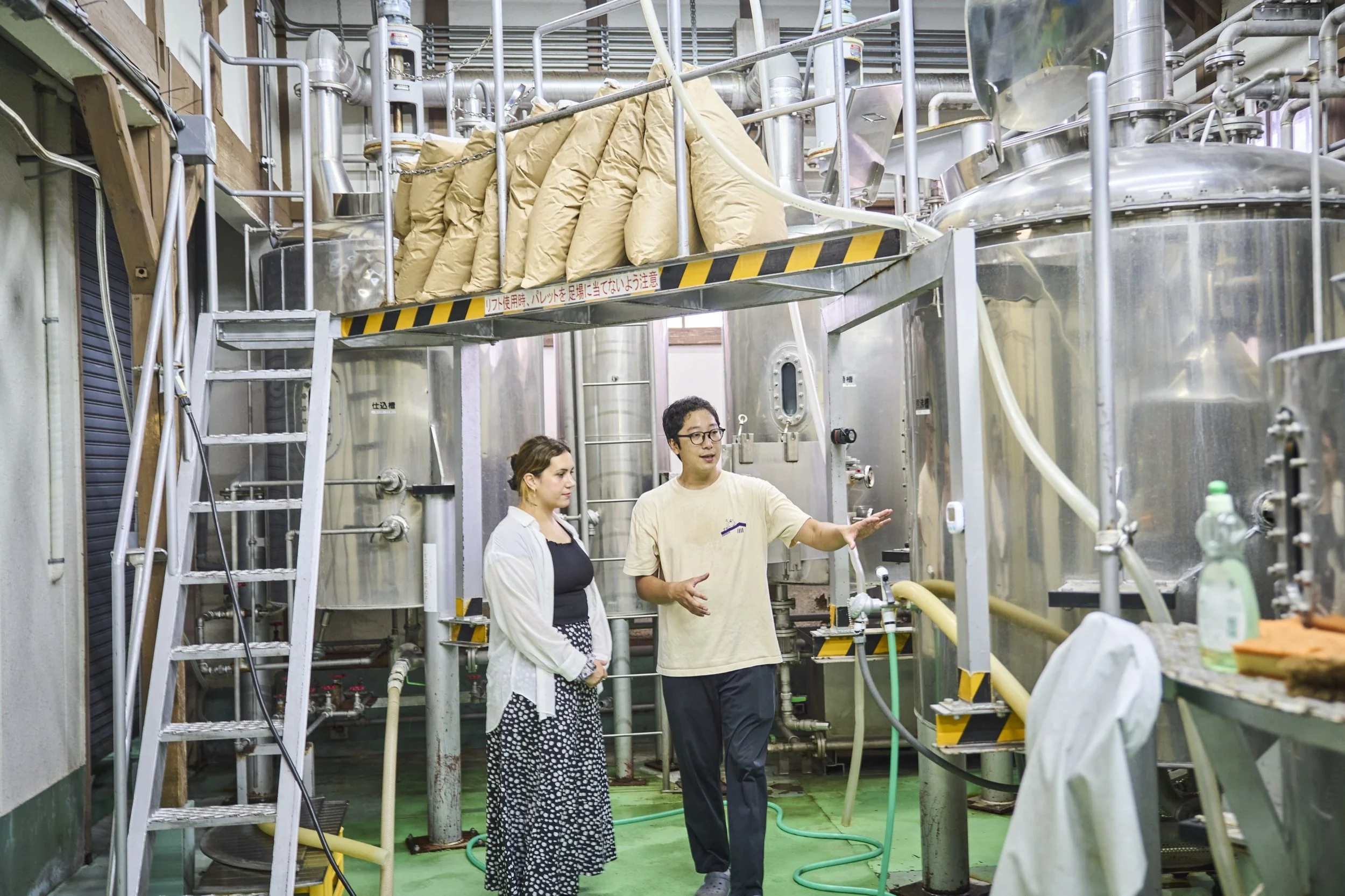
Taste innovations to Japan's drinking culture at a beer brewery on historic premises
Kyoto
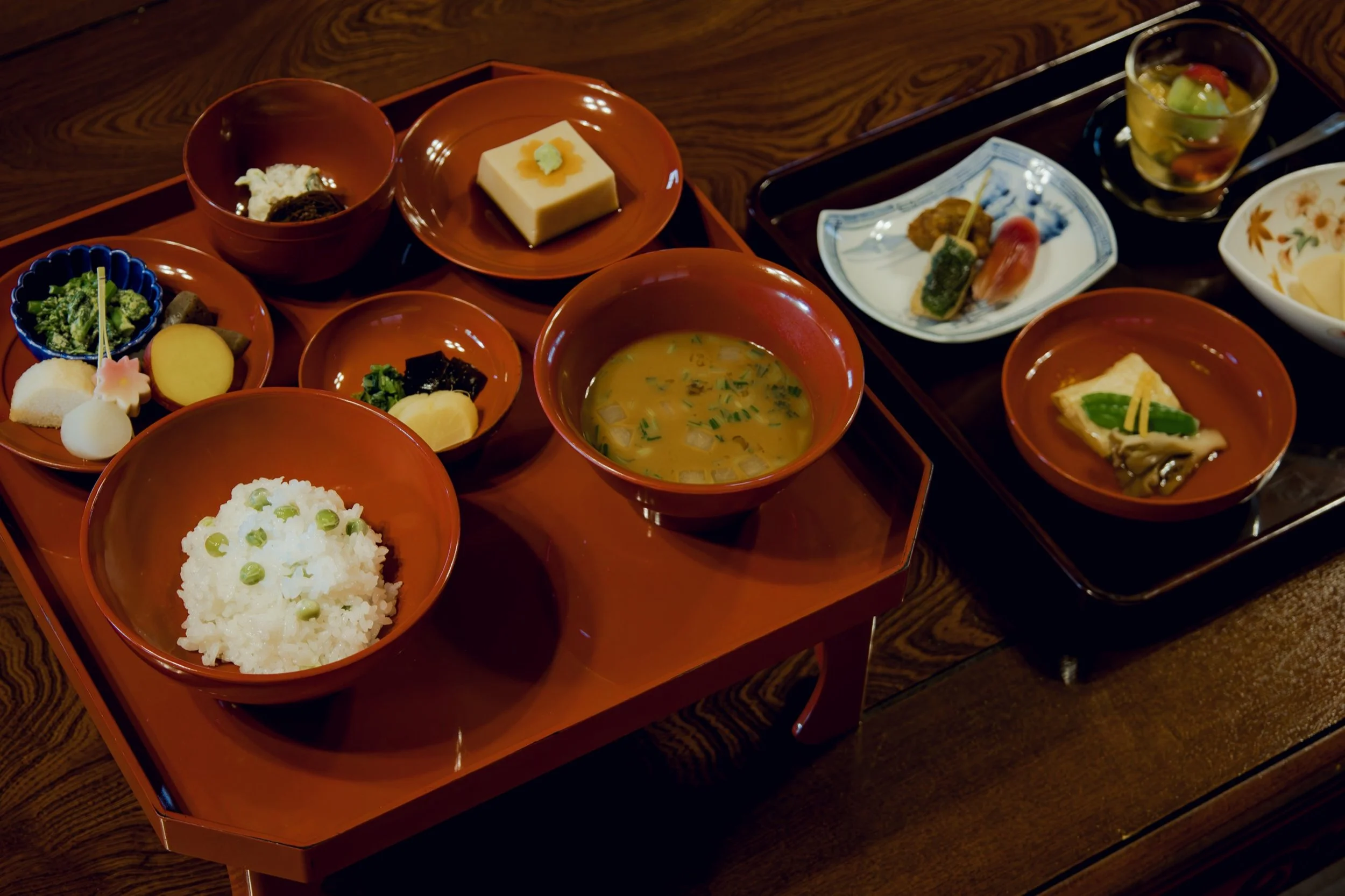
Experience Buddhist vegetarian cuisine on the grounds of a 700-year-old temple
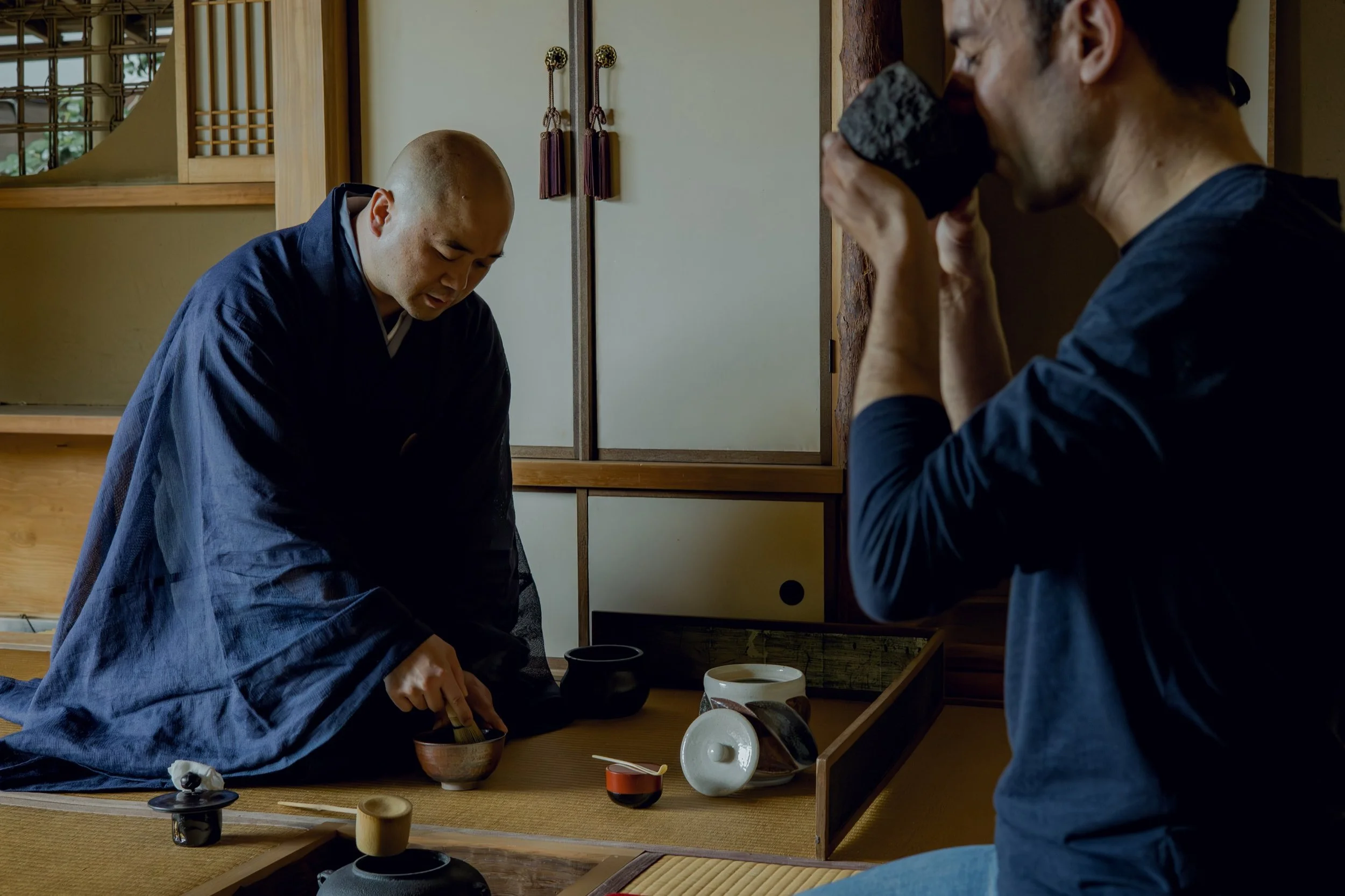
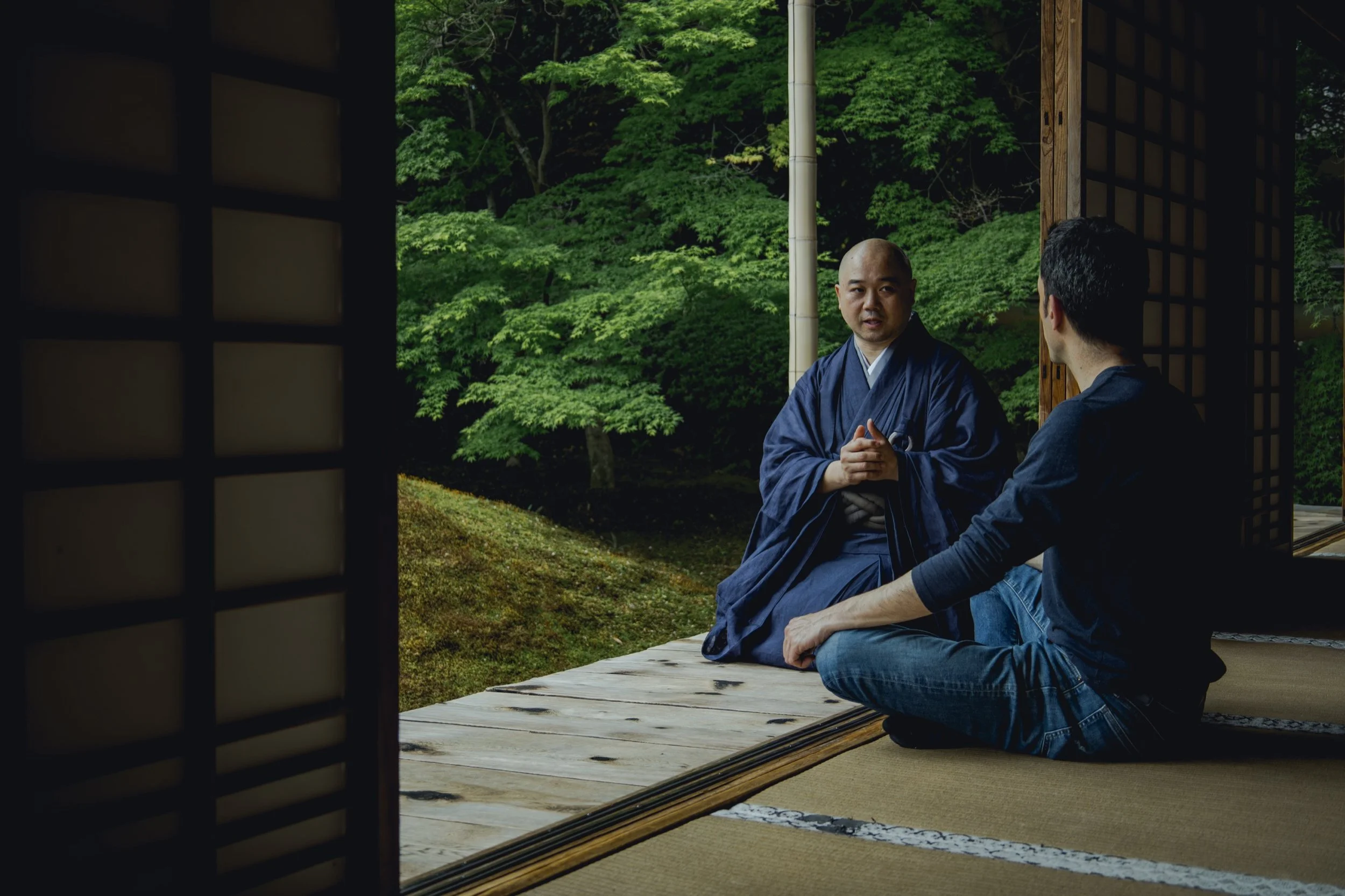
Step into a Zen Buddhist temple encouraging creation and preservation of art

Explore the process of sake brewing at the brewery of a 13th-generation sake master
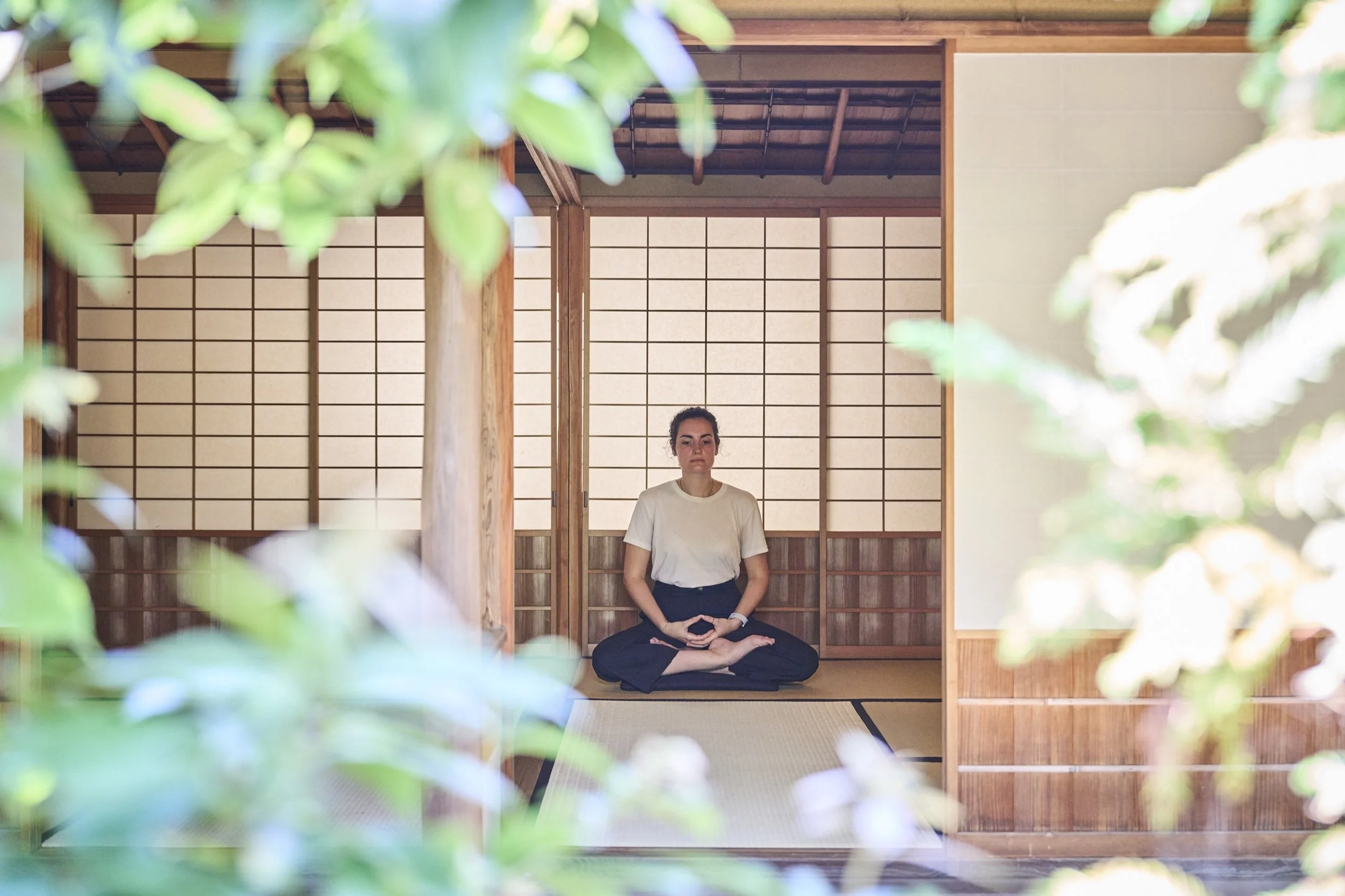
Enter a sprawling temple complex for a monk-led zazen meditation followed by tea
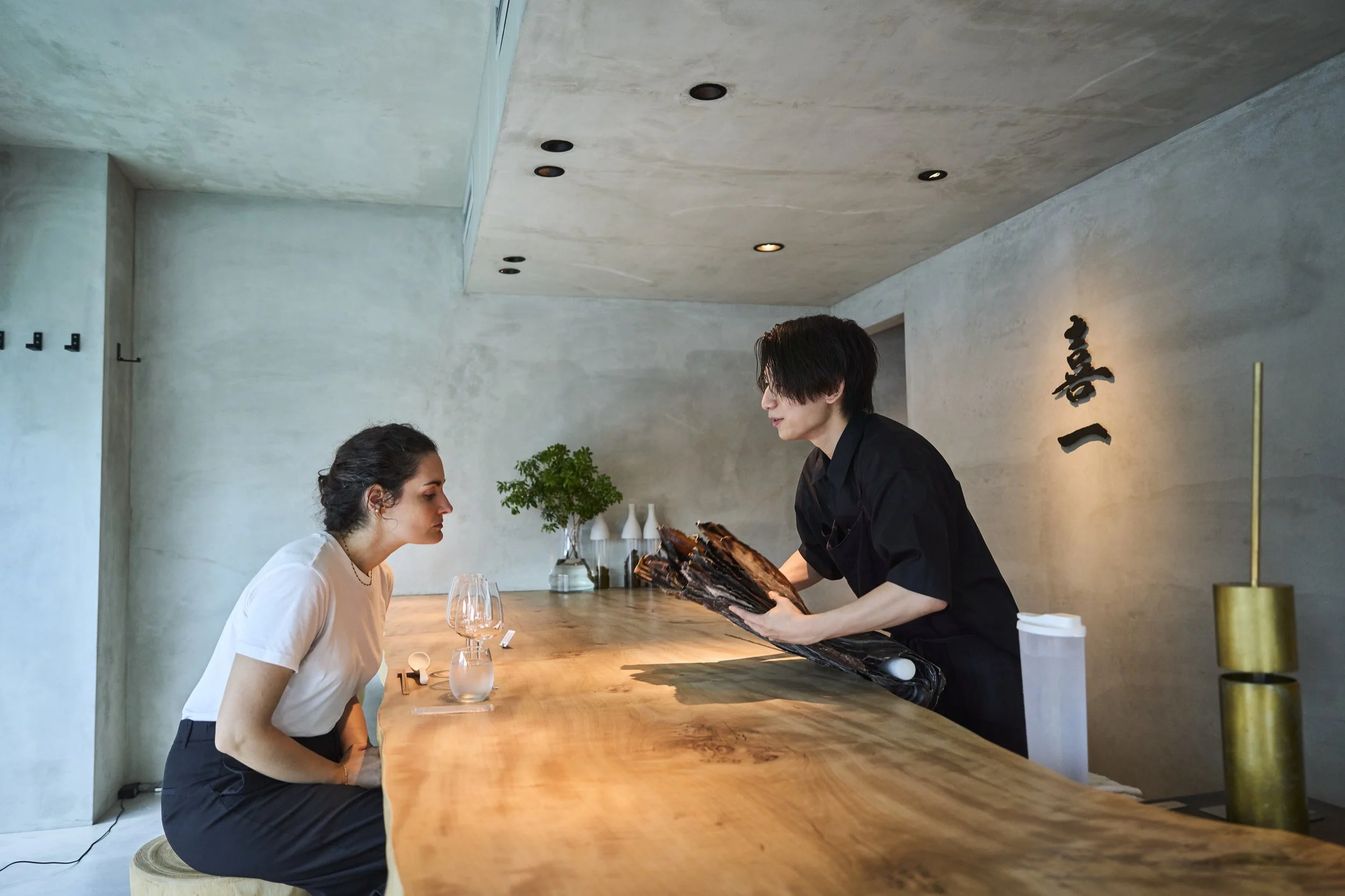
Dive deeper into the subtle yet complex taste of konbu, from kelp base to ramen bowl
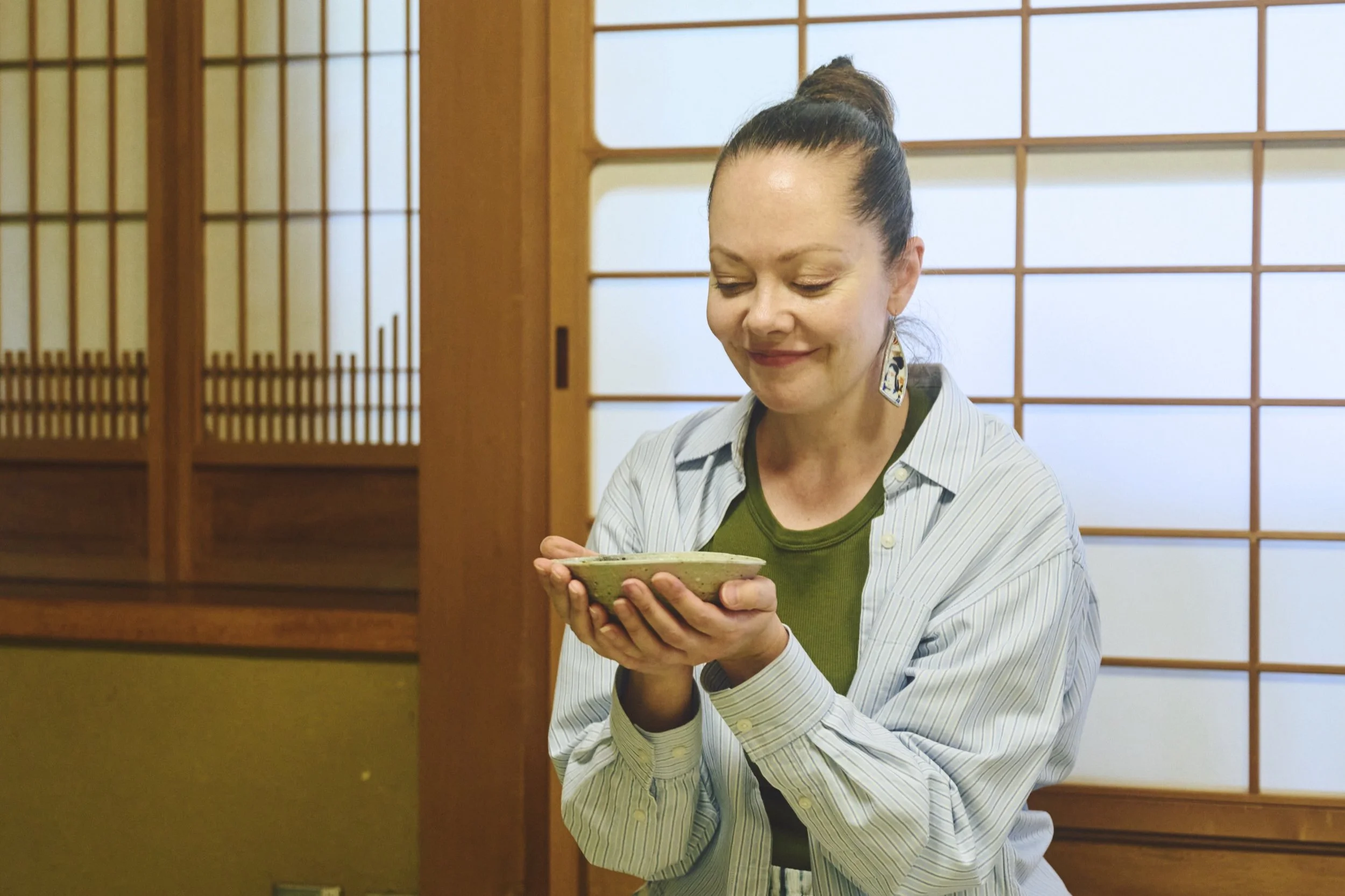
Soak in the peaceful atmosphere of a temple tea room with the head monk tea master
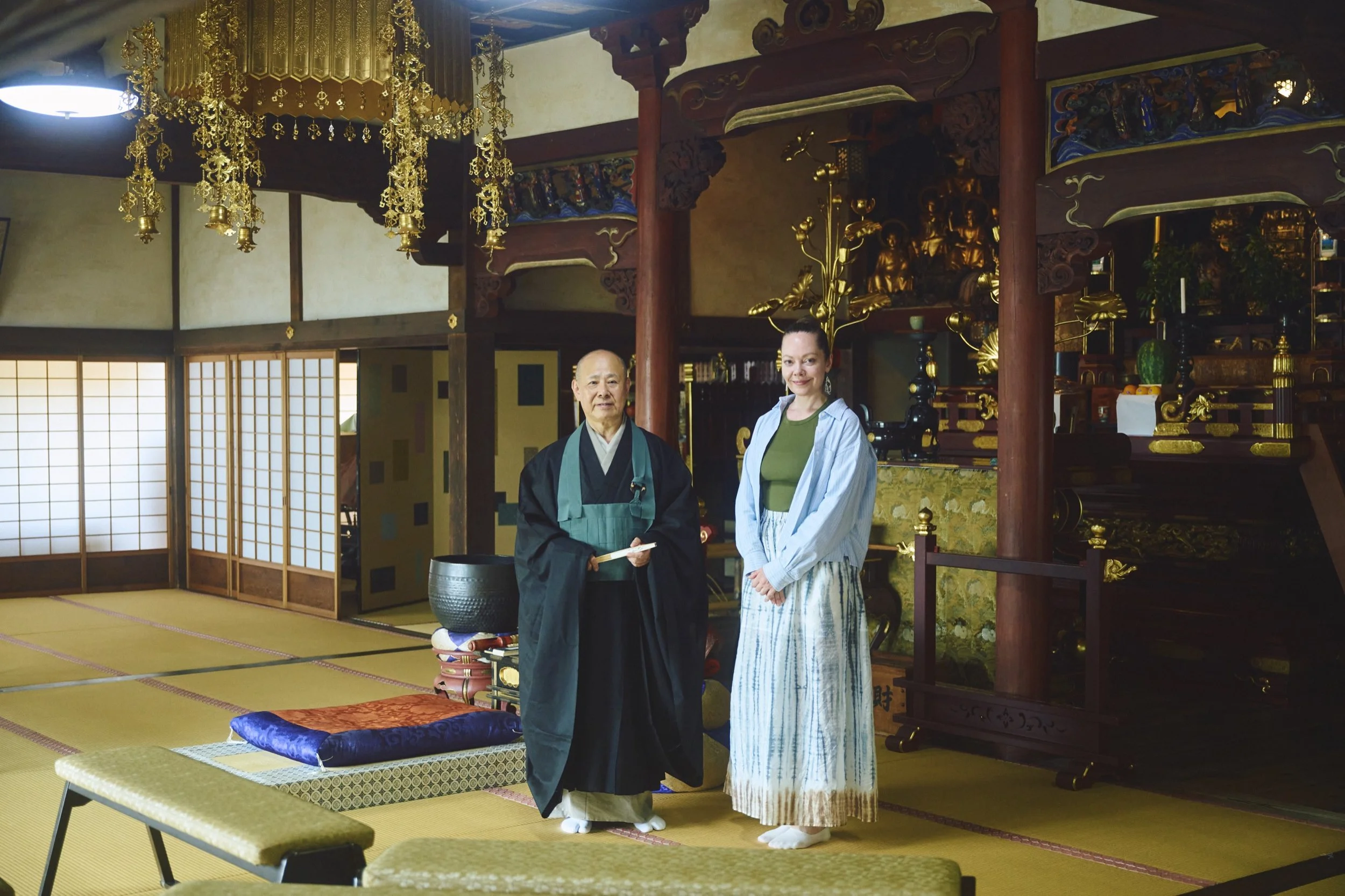
Enter a historic Soto Zen temple and immerse yourself in meditation and tea ceremony.
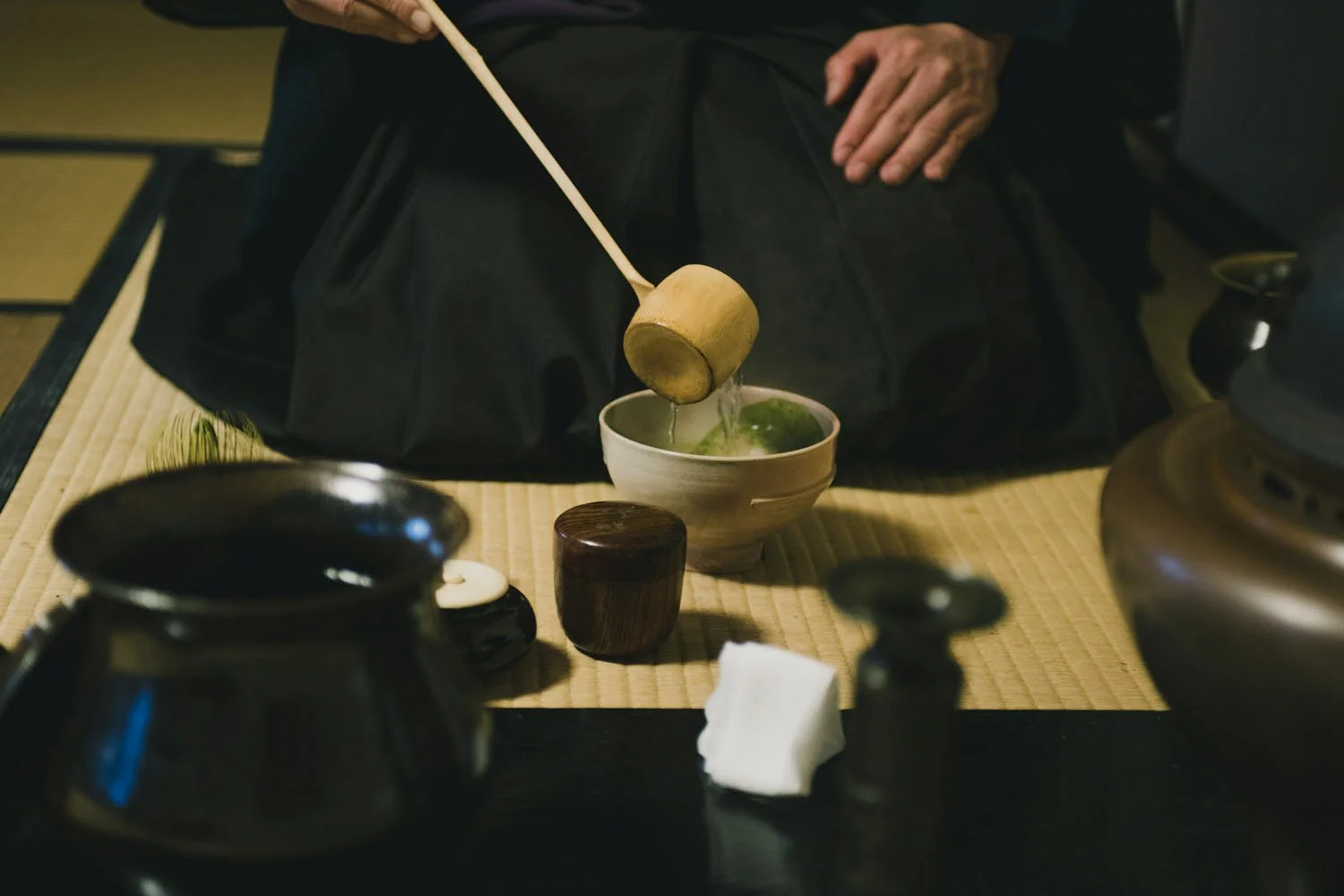
Learn the rituals of samurai tea ceremony from a fifth-generation tea master
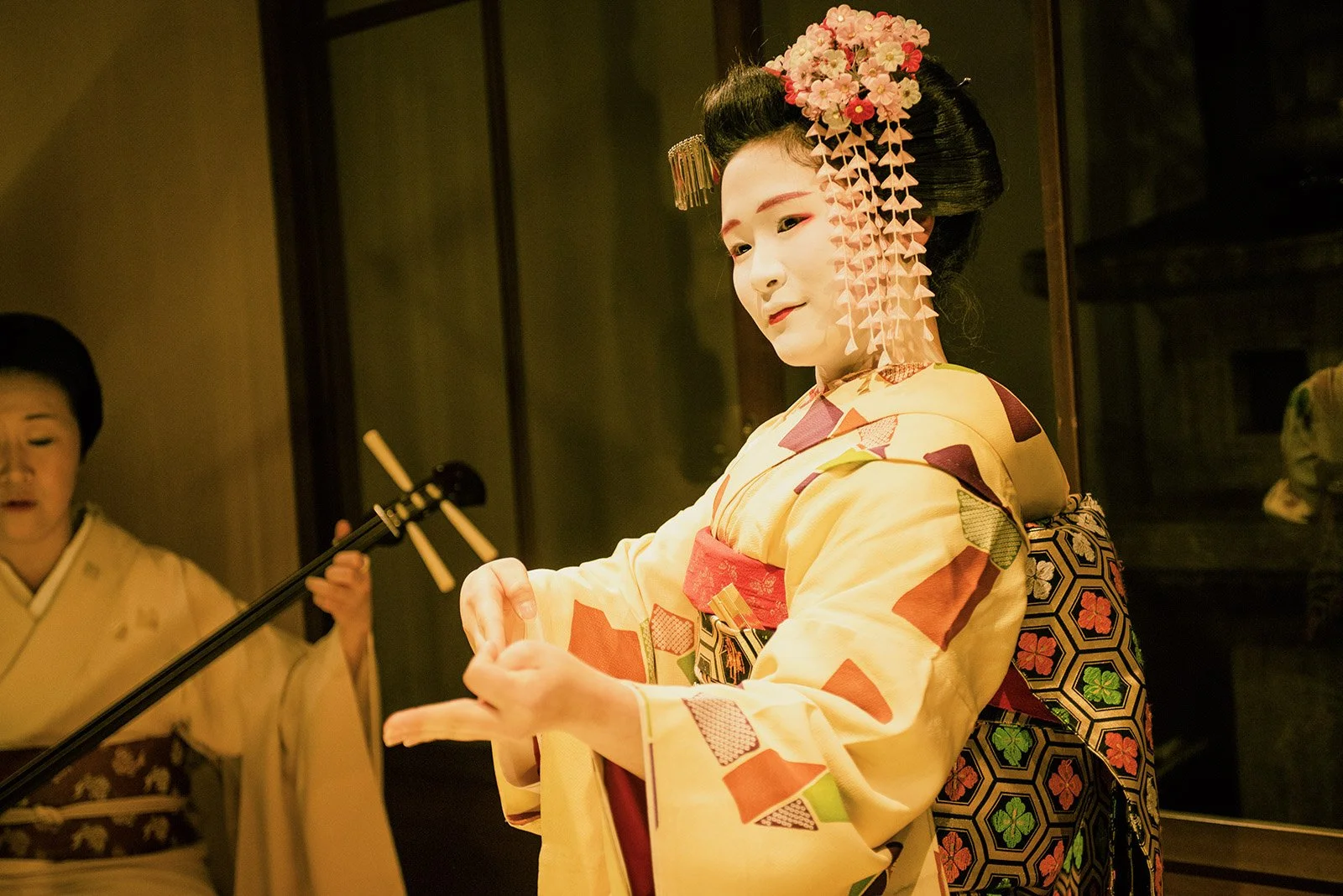
A memorable meal with Japan’s iconic entertainers in the birthplace of Geisha culture

Learn about traditional processing and cooking techniques of dashi soup stock
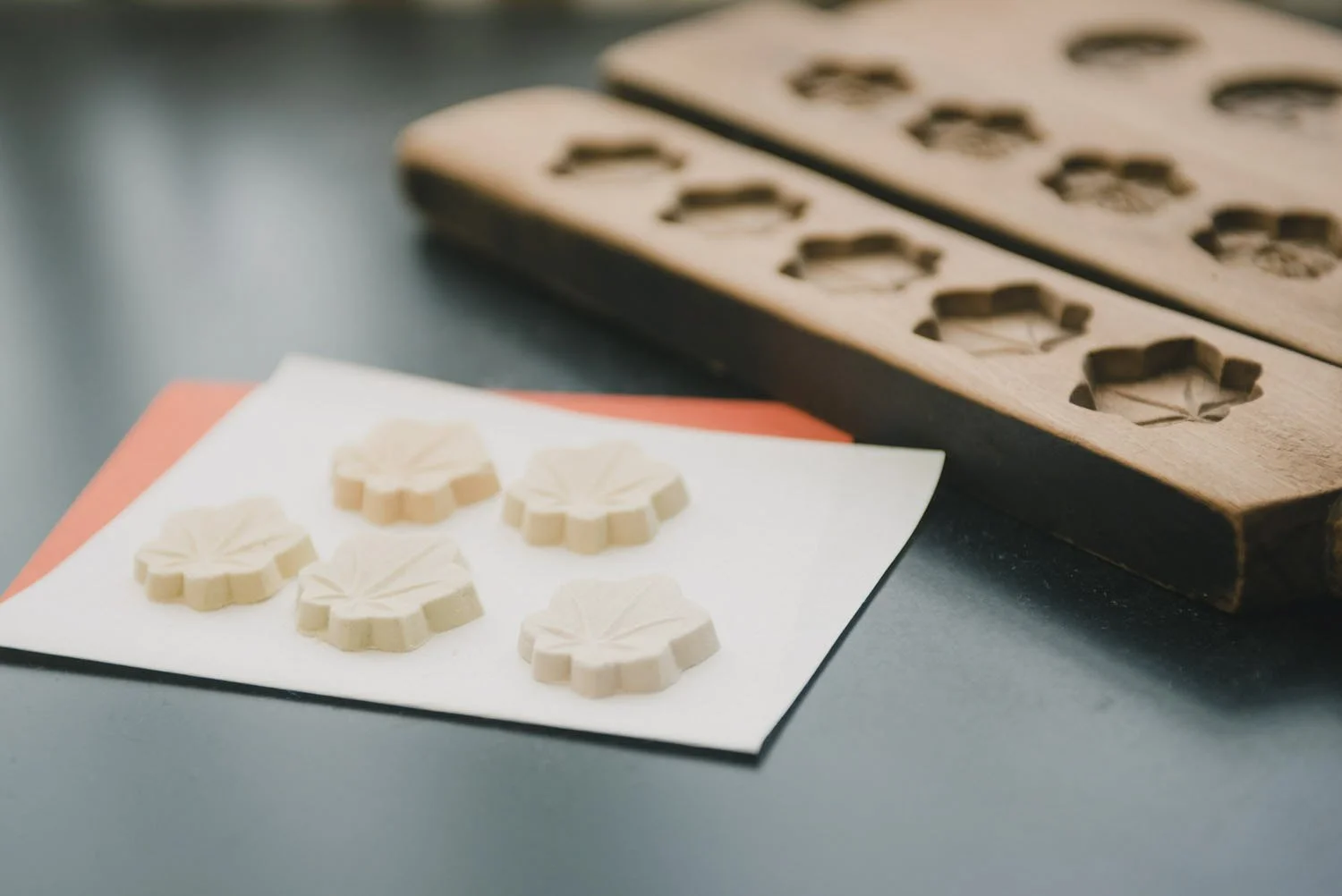
Step back in time as you savor sweets and a tea ceremony in this historic town
Kyushu
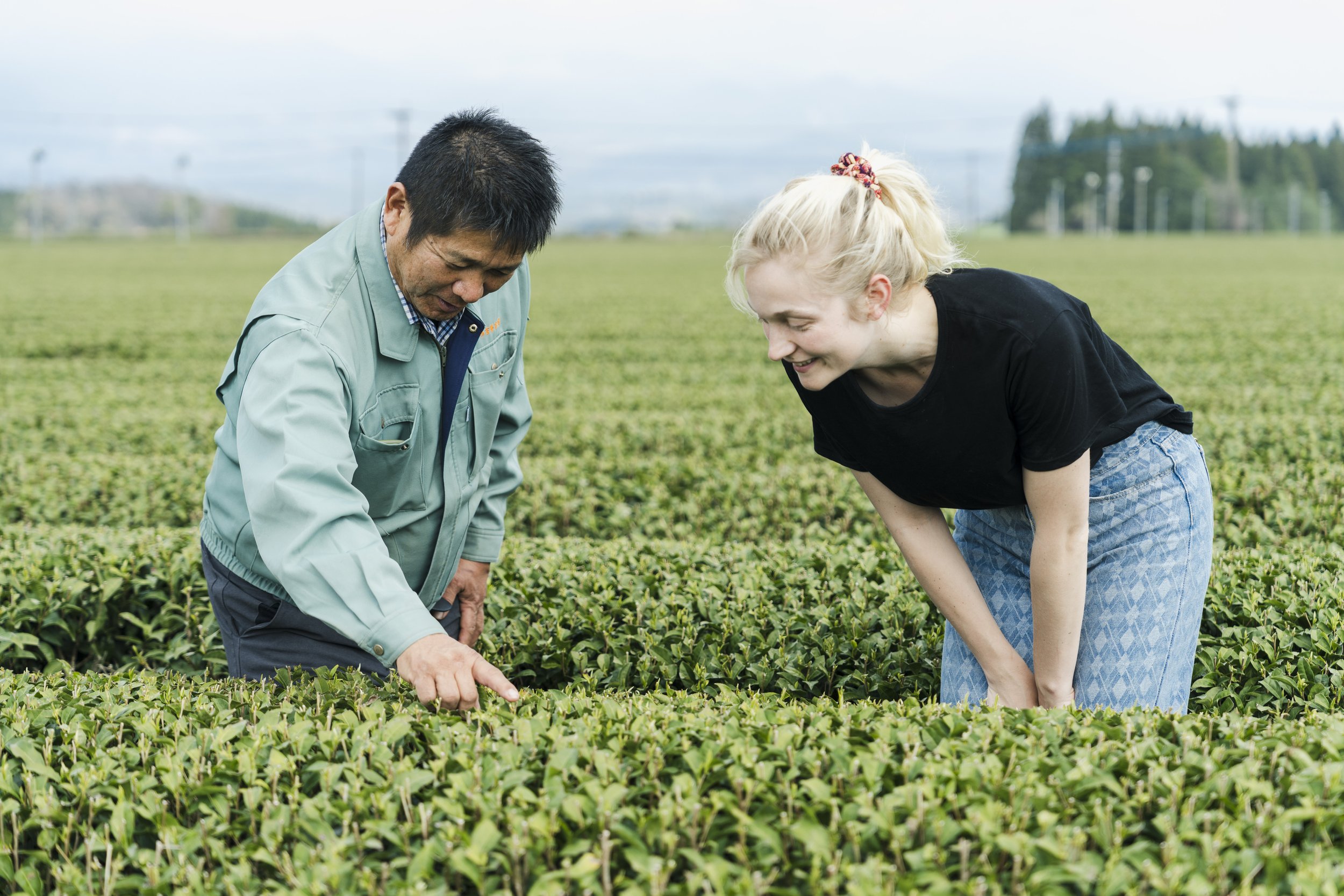
Discover the tradition of Kagoshima tea, from scenic fields to steaming cups.
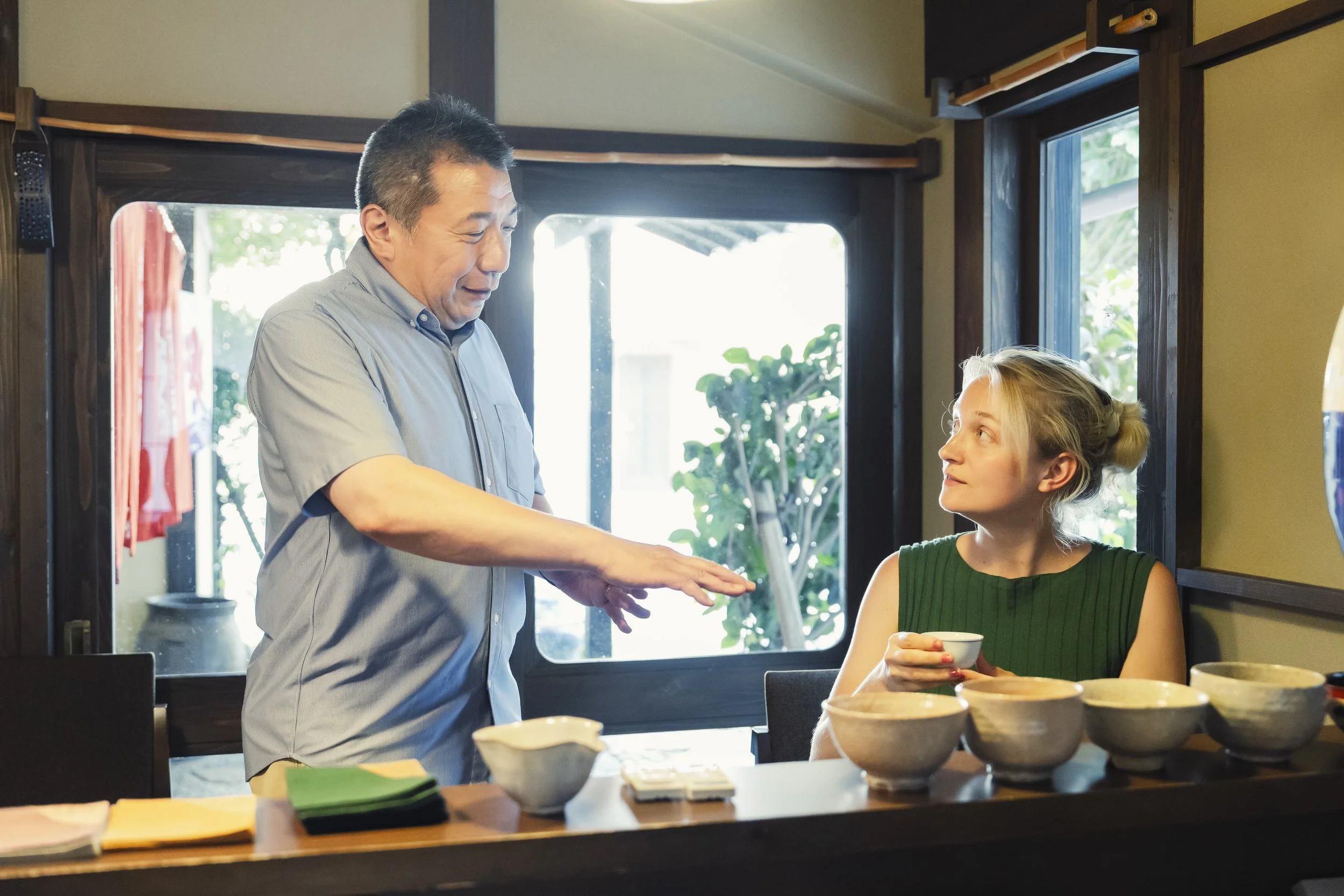
Compare a mix of premium tea paired with sweets at a tea supplier over 300 years old

Reel in local catch from Kagoshima Bay, framed by the beauty of an active volcano
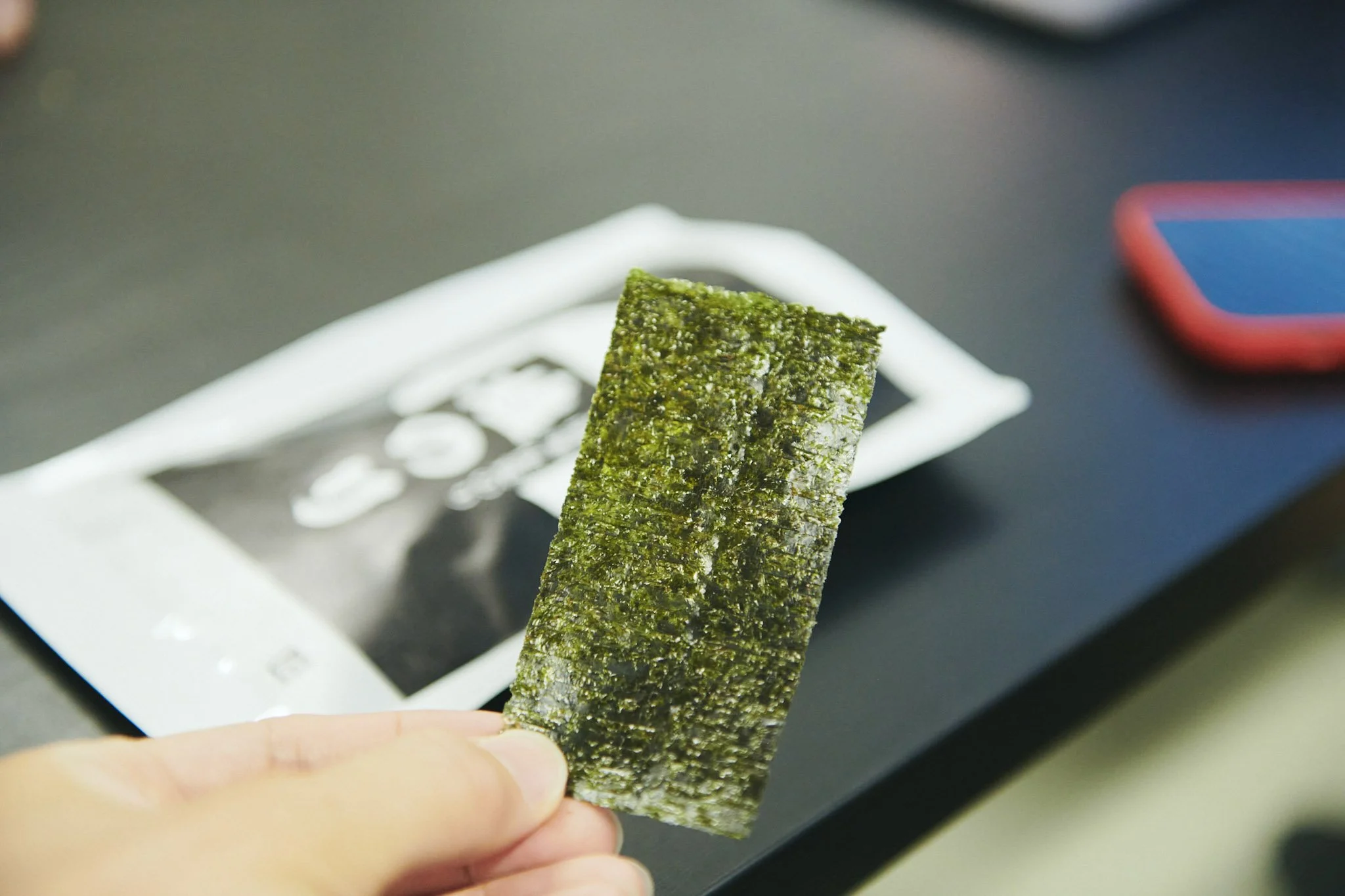
Cruise the nori farms of Ariake Bay and savor this staple of Japanese cuisine.
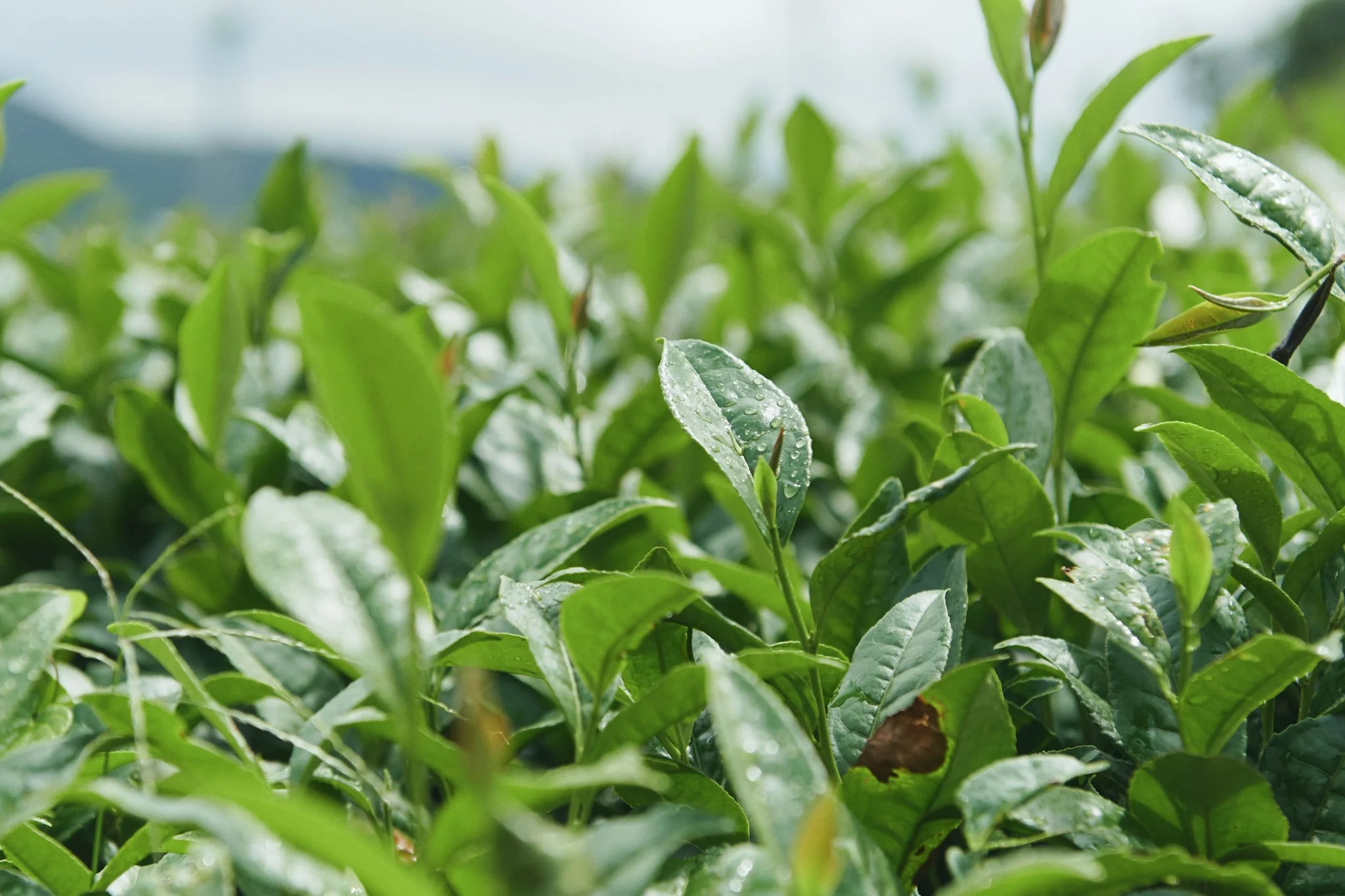
Stroll through the scenic tea fields of Sonogi with a 3rd-generation tea master.
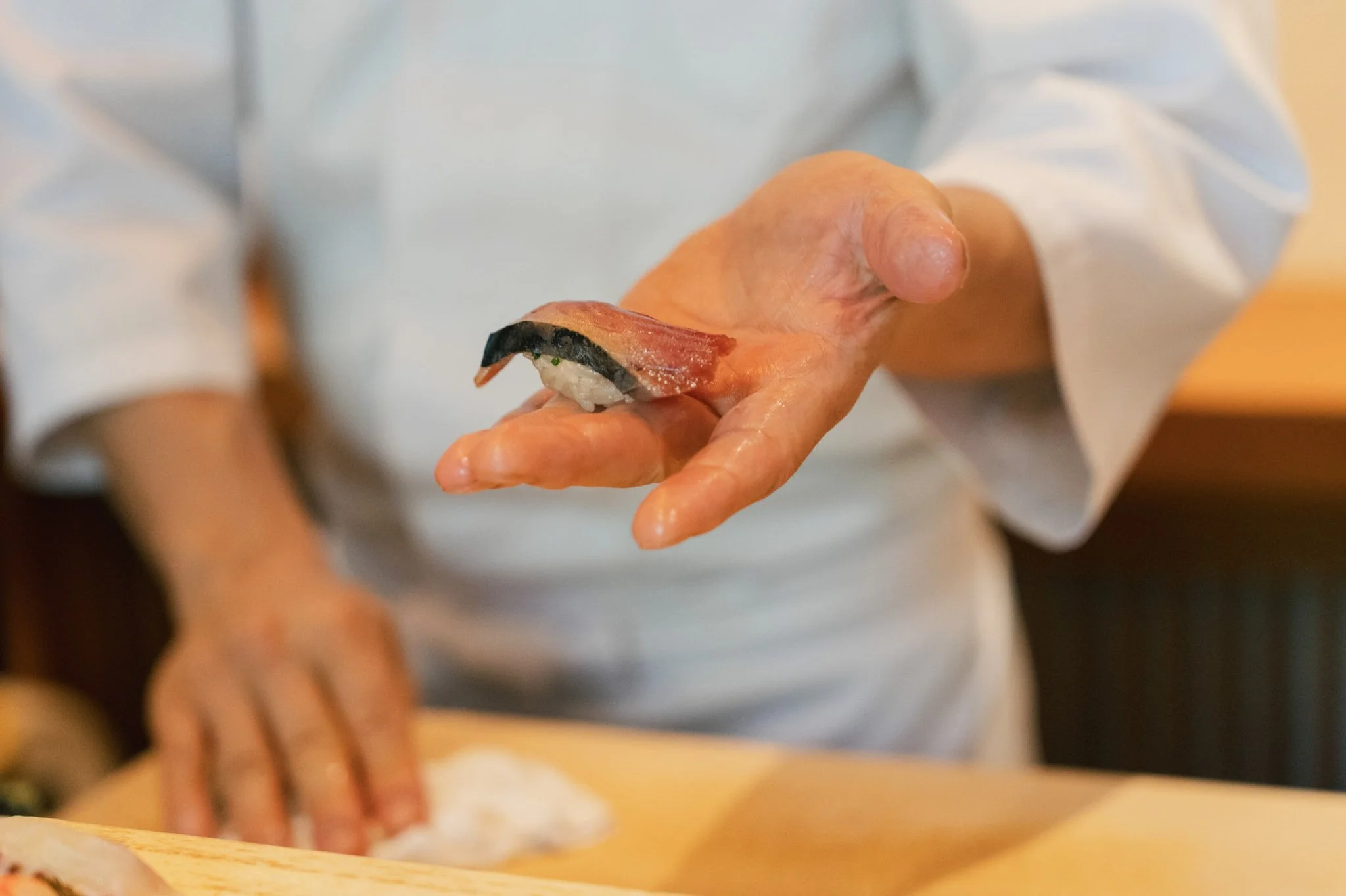
Combine Edo culinary traditions with the freshest Kyushu catches in this sushi-making masterclass led by a 3rd-generation sushi chef
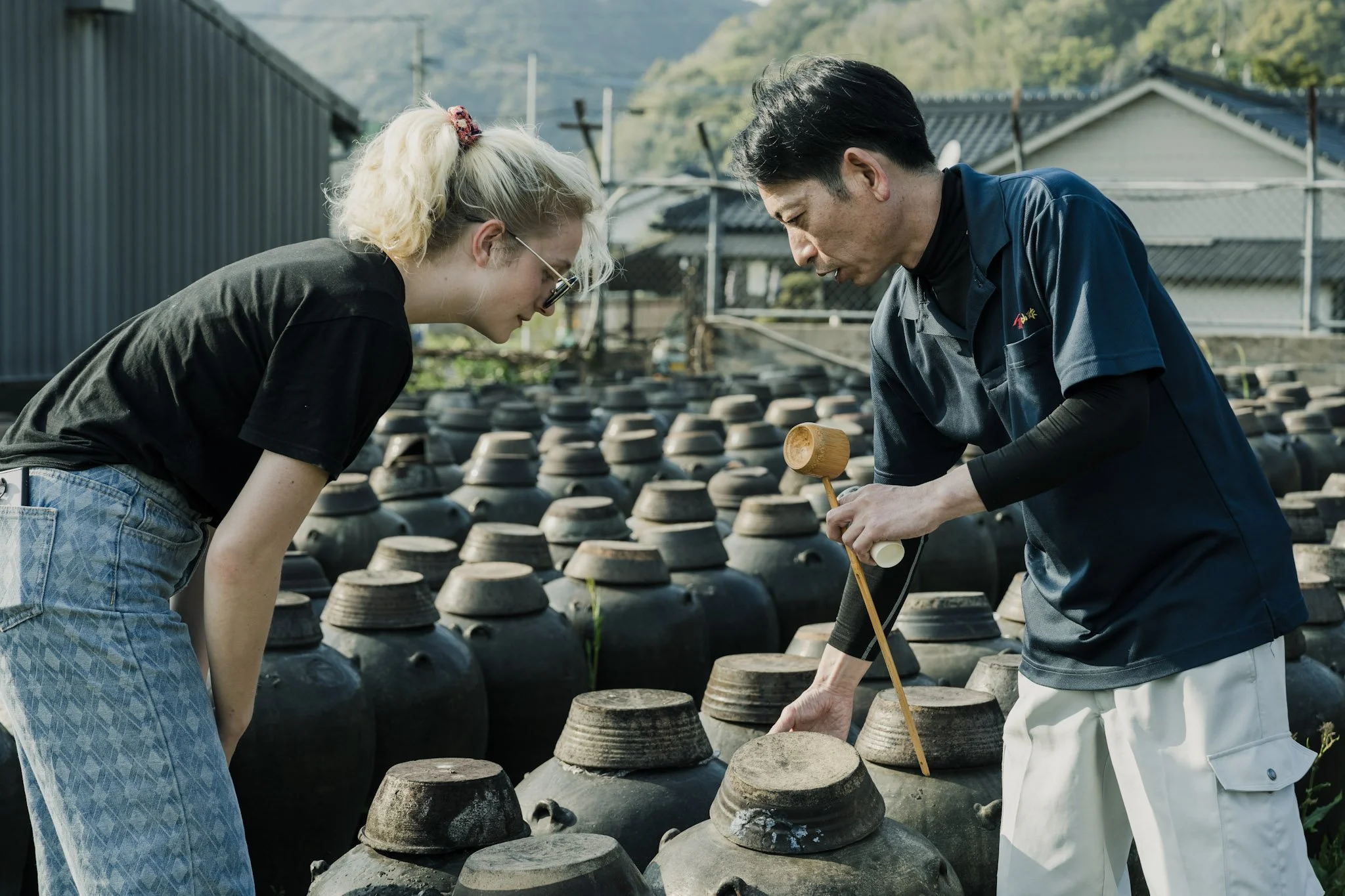
Immerse in Japan's traditions of fermentation, surrounded by scenic coastal views
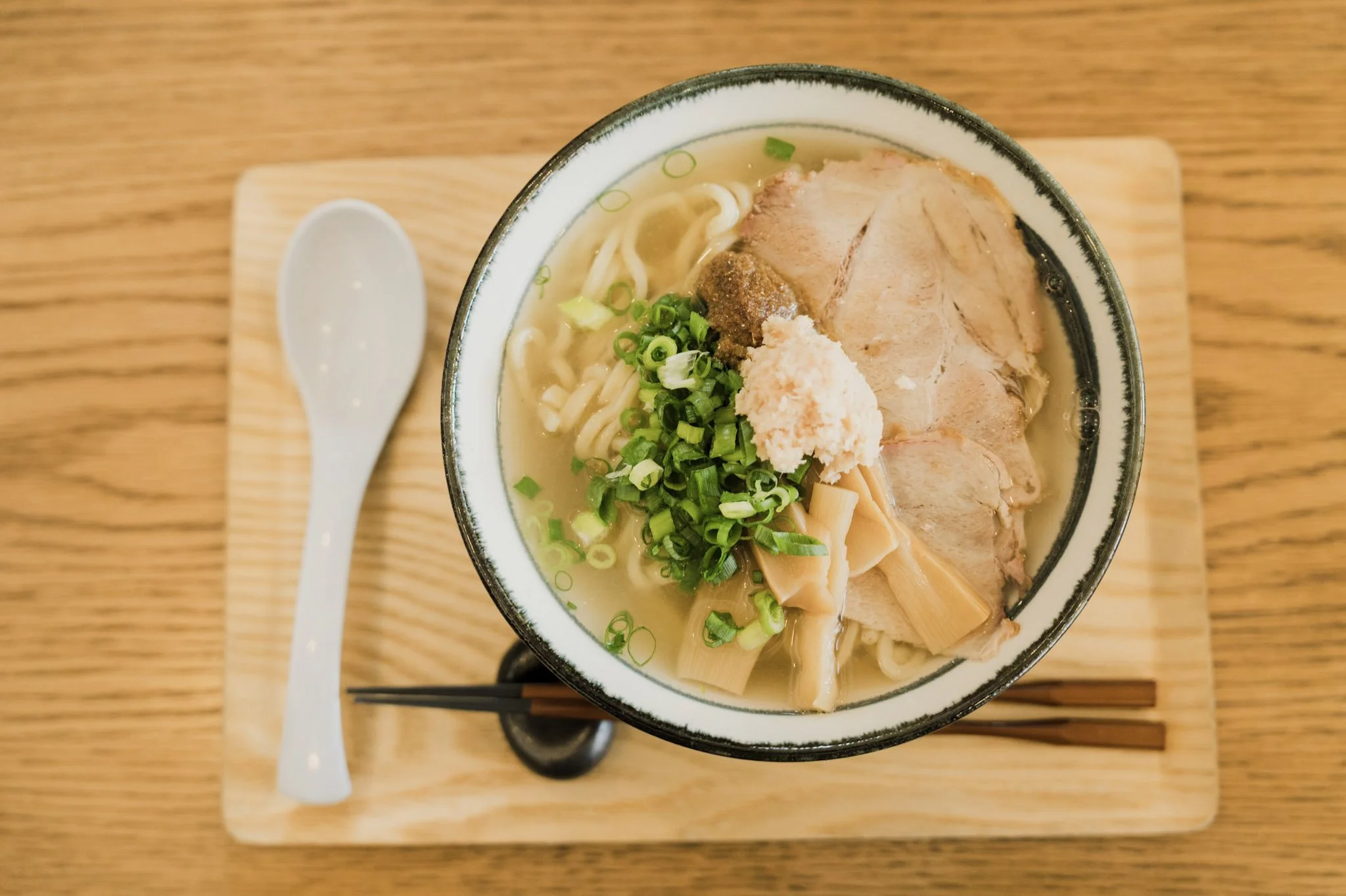
Make Japanese noodles with your own hands at this locally-loved, Fukuoka noodle supplier
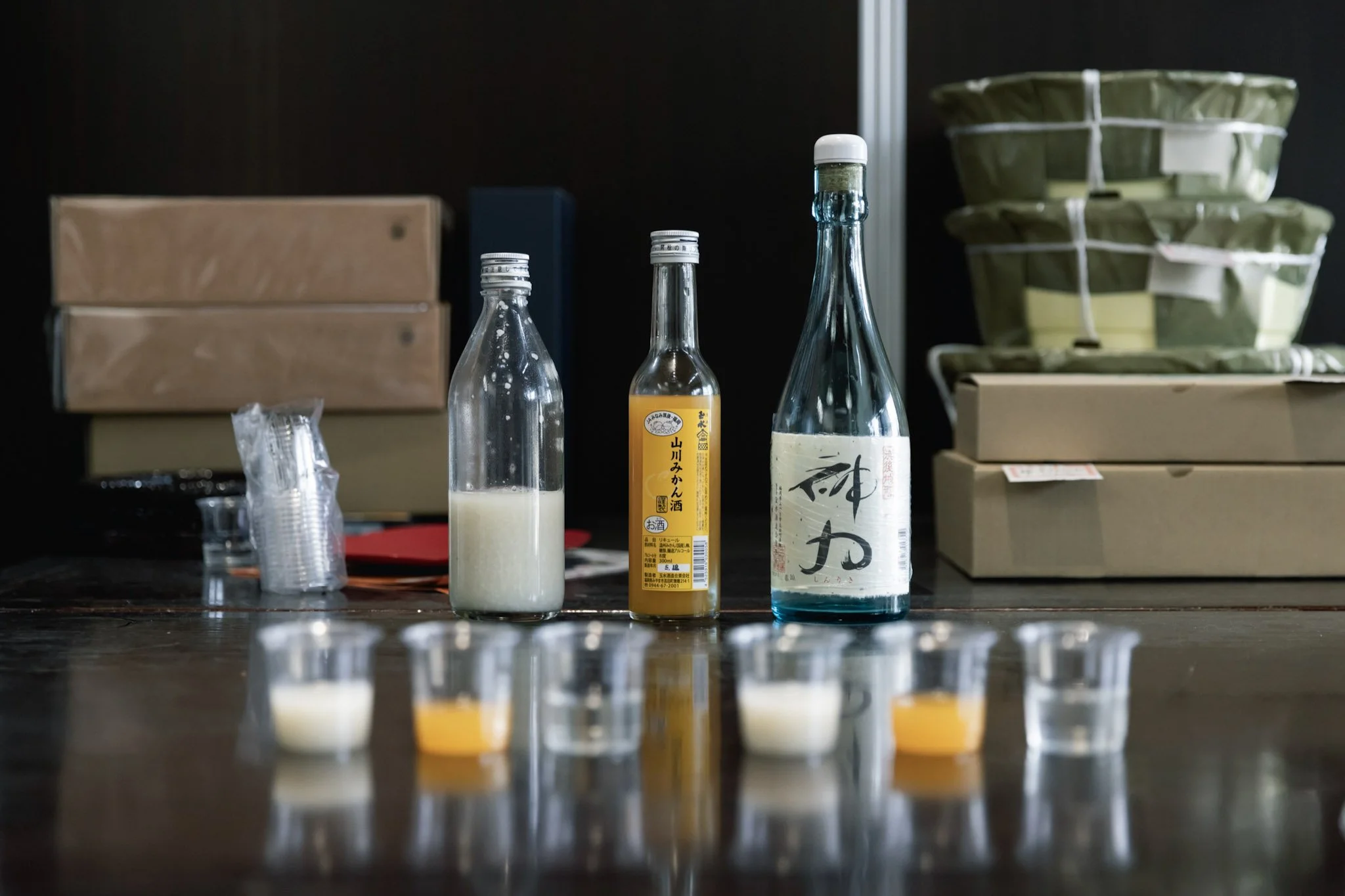
Tour a historic brewery with deep ties to the local community and sip on premier sake
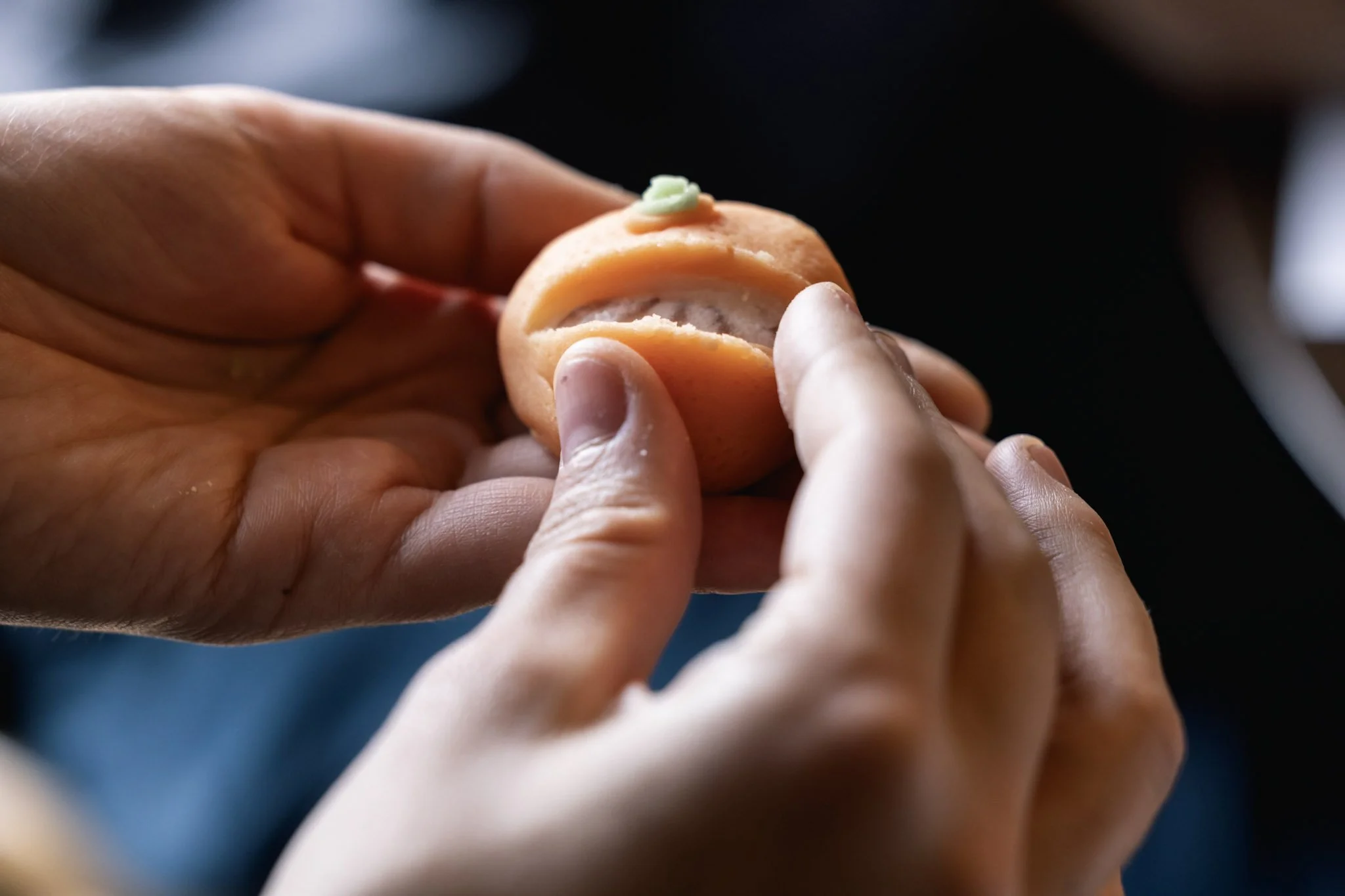
Savor the taste of culinary tradition and craft wagashi with a 7th-generation master
Hokkaido
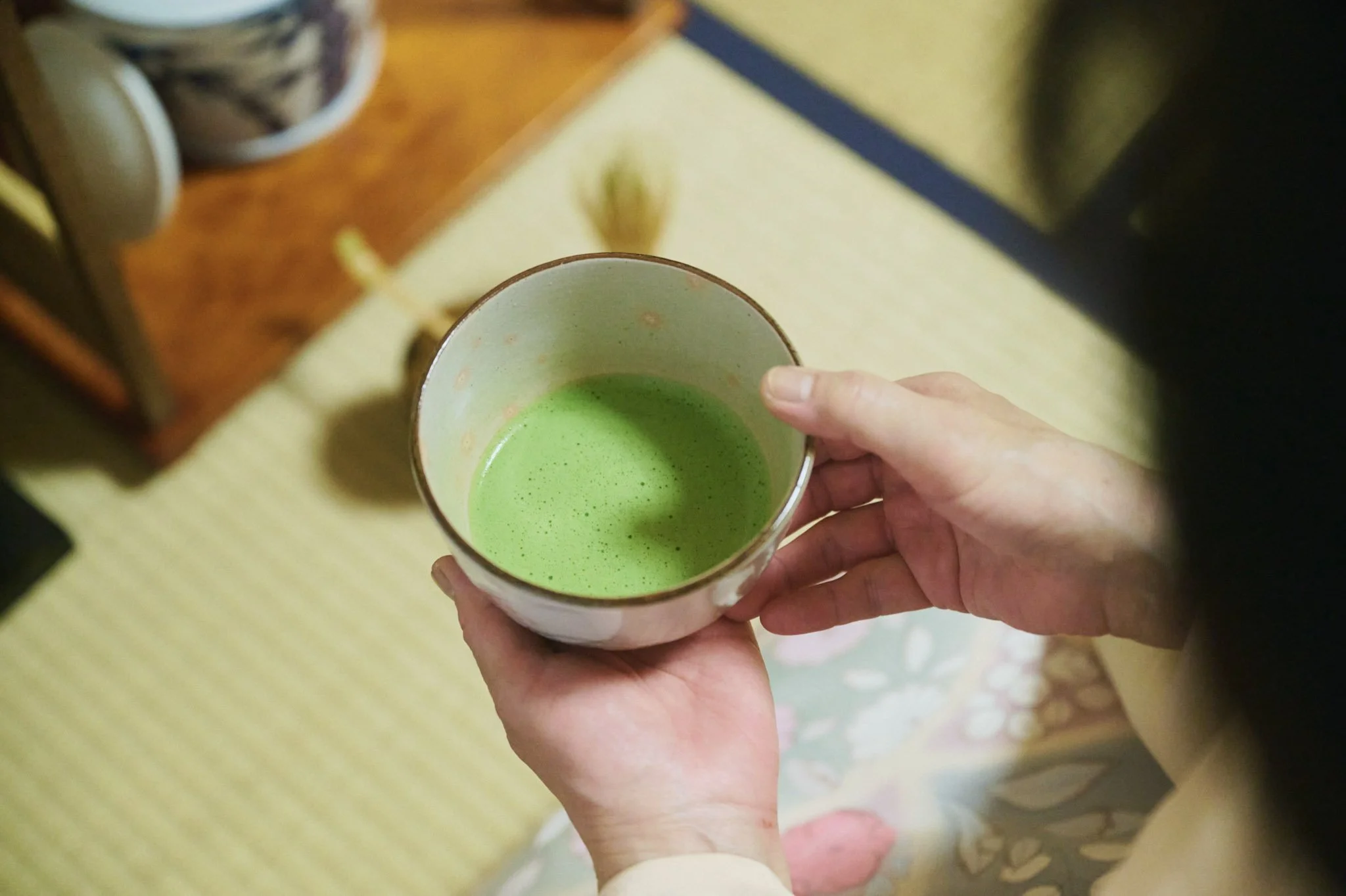
Experience harmonious hospitality with a master-led Urasenke-style tea ceremony
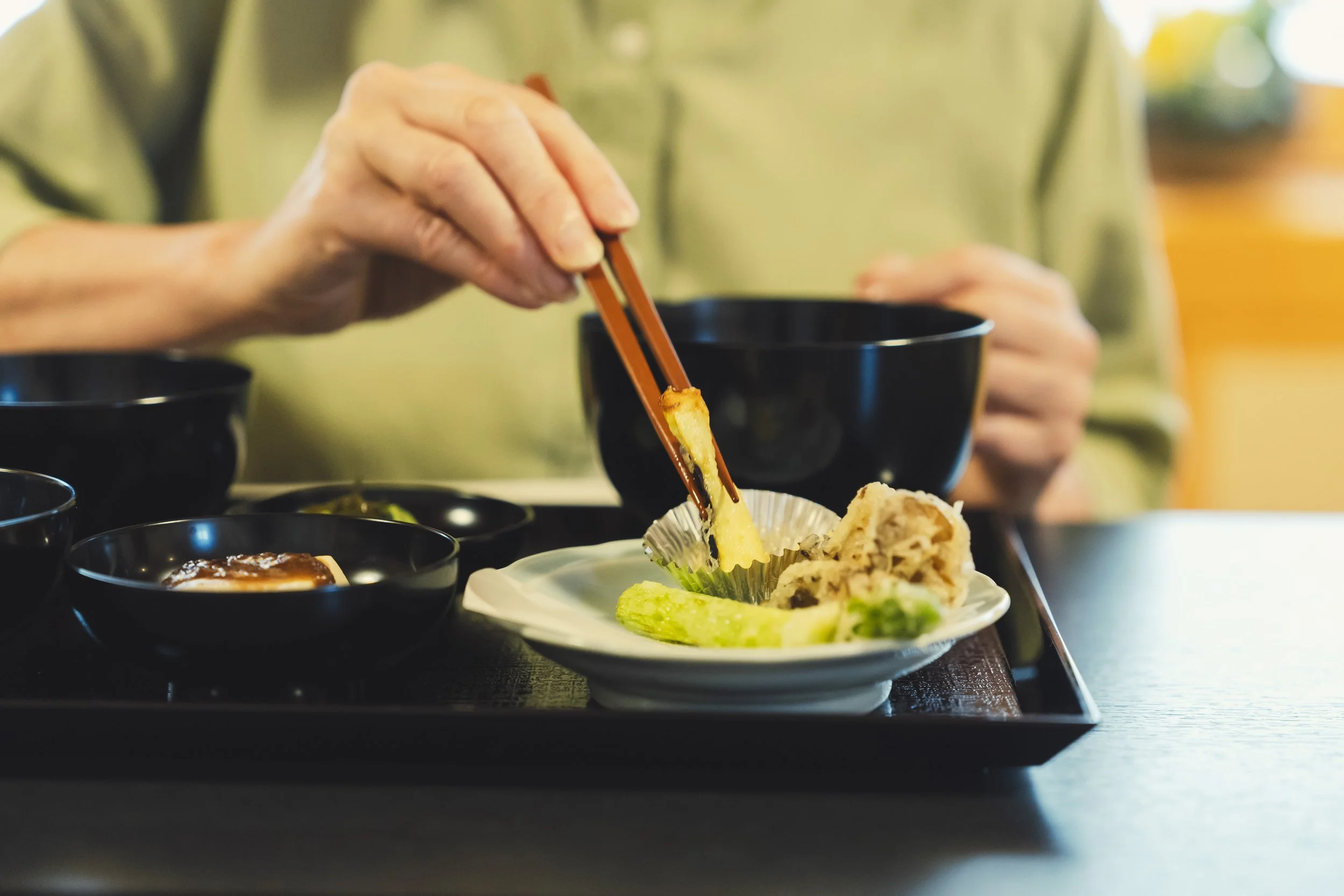
Nourish heart and soul in a Buddhist cooking lesson led by a former chef of Eiheji

Get hands-on with culinary heritage in a soba-making masterclass led by a professional Sapporo chef

Indulge in Hokkaido-grown wine on a tour & tasting led by the 2nd-generation owner

Discover the bold flavor of award-winning peated Hokkaido whiskey, field to factory

Feast on fresh oyster paired with premium local whiskey on this culinary adventure

Experience Hokkaido's rich agricultural heritage at a 4th-generation dairy ranch

Foray into the fertile splendor of Hokkaido's agriculture at an organic herb farm

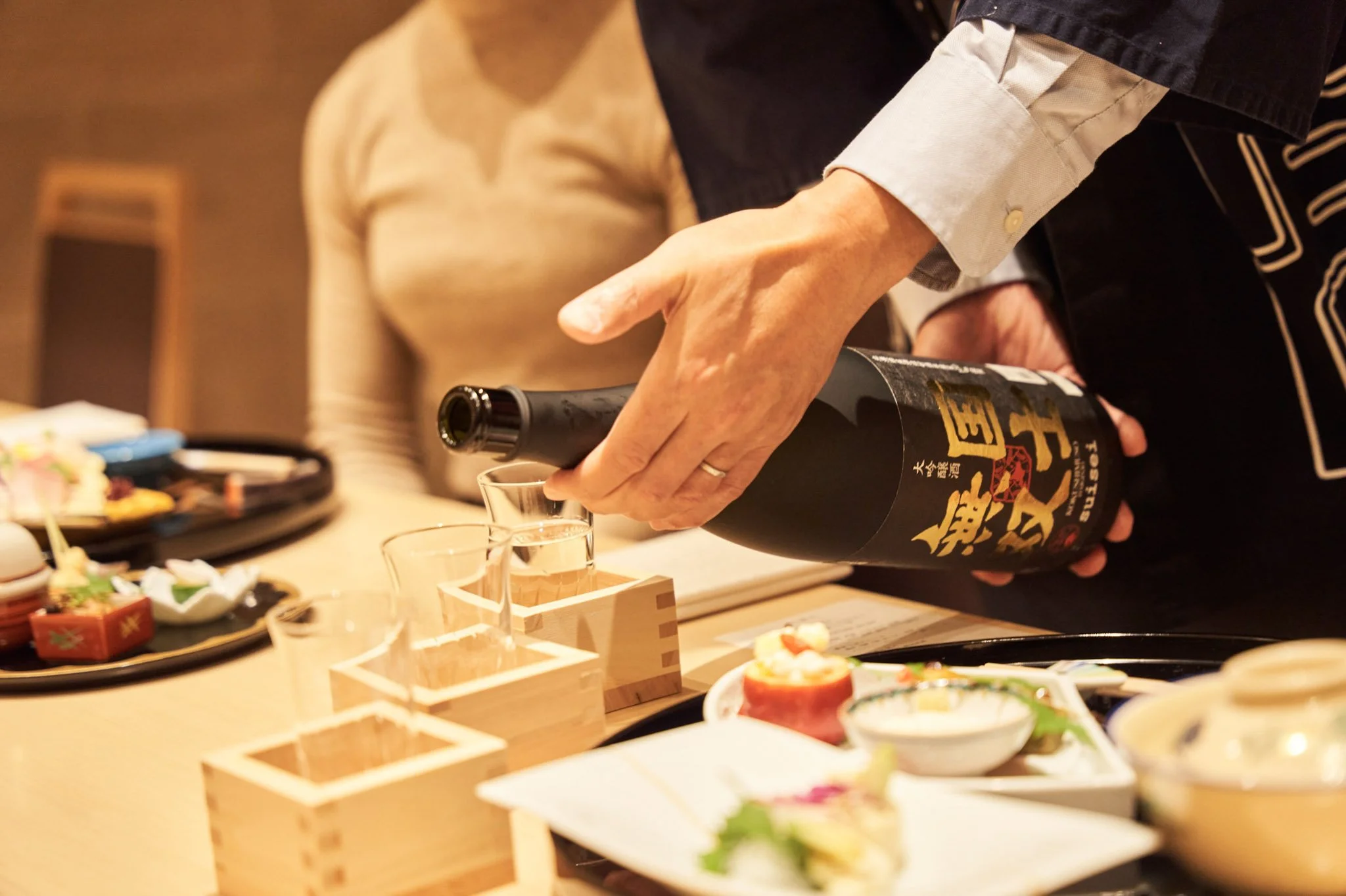
See how sake is made, then indulge in a luxurious meal of sake and fine-dining

Immerse into the historic flavor of soy sauce at a factory over 200 years old
Dive deeper into Japanese food
Immerse into the fragrant and flavorful culture of the culinary arts in Japan with these in-depth guides and explorations for a bigger bite of authentic Japanese cooking.
From Alleyway Kitchens to Avant-Garde: Japanese Ramen
An iconic dish packed with powerful flavor, ramen’s road to becoming classic Japanese cuisine is filled with history—and it continues to evolve both new traditions and new tastes.
Subtraction: The Art of Japanese Cooking
The philosophy of "less is more" shapes Japanese cooking, where simplicity and restraint elevate natural flavors.
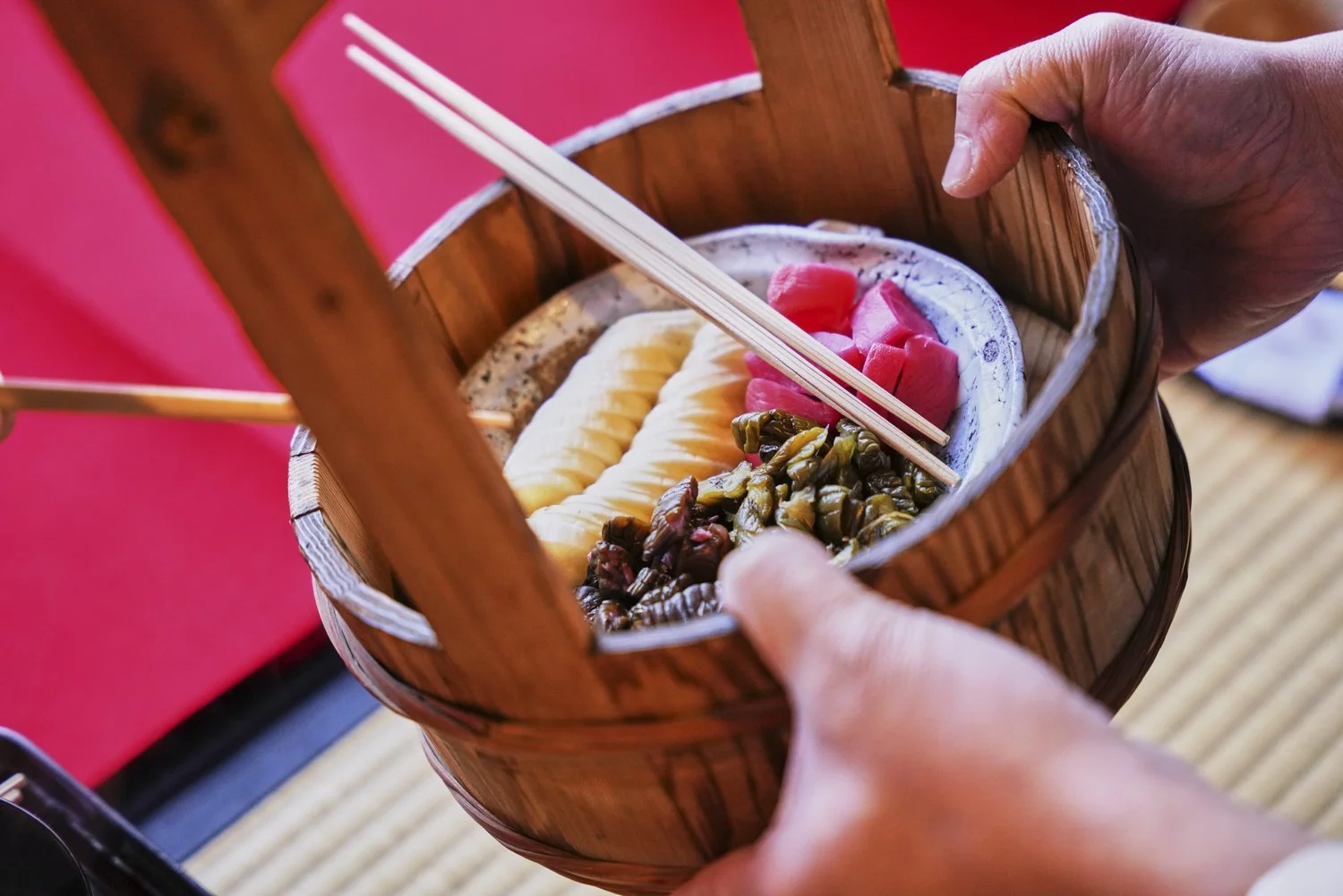
Frequently Asked Questions on Japan’s Culinary Arts
-
Washoku refers to traditional Japanese cuisine, emphasizing seasonal ingredients, balance, and presentation. It was recognized as a UNESCO Intangible Cultural Heritage in 2013.
-
Sushi can be eaten with both chopsticks or fingers, although using chopsticks is generally more common. When applying soy sauce, only a light amount should be used on the side with the fish, not the rice. Eat each piece in one bite immediately after serving, as temperature is also an important factor when eating.
-
While sushi, tempura, and ramen might capture the most attention, Japan’s culinary scene is deep and diverse.
Try Buddhist shojin ryori, discover miso and Japan’s love of fermentation, or even visit a local shottsuru fish sauce factory.
Explore other masterclasses.
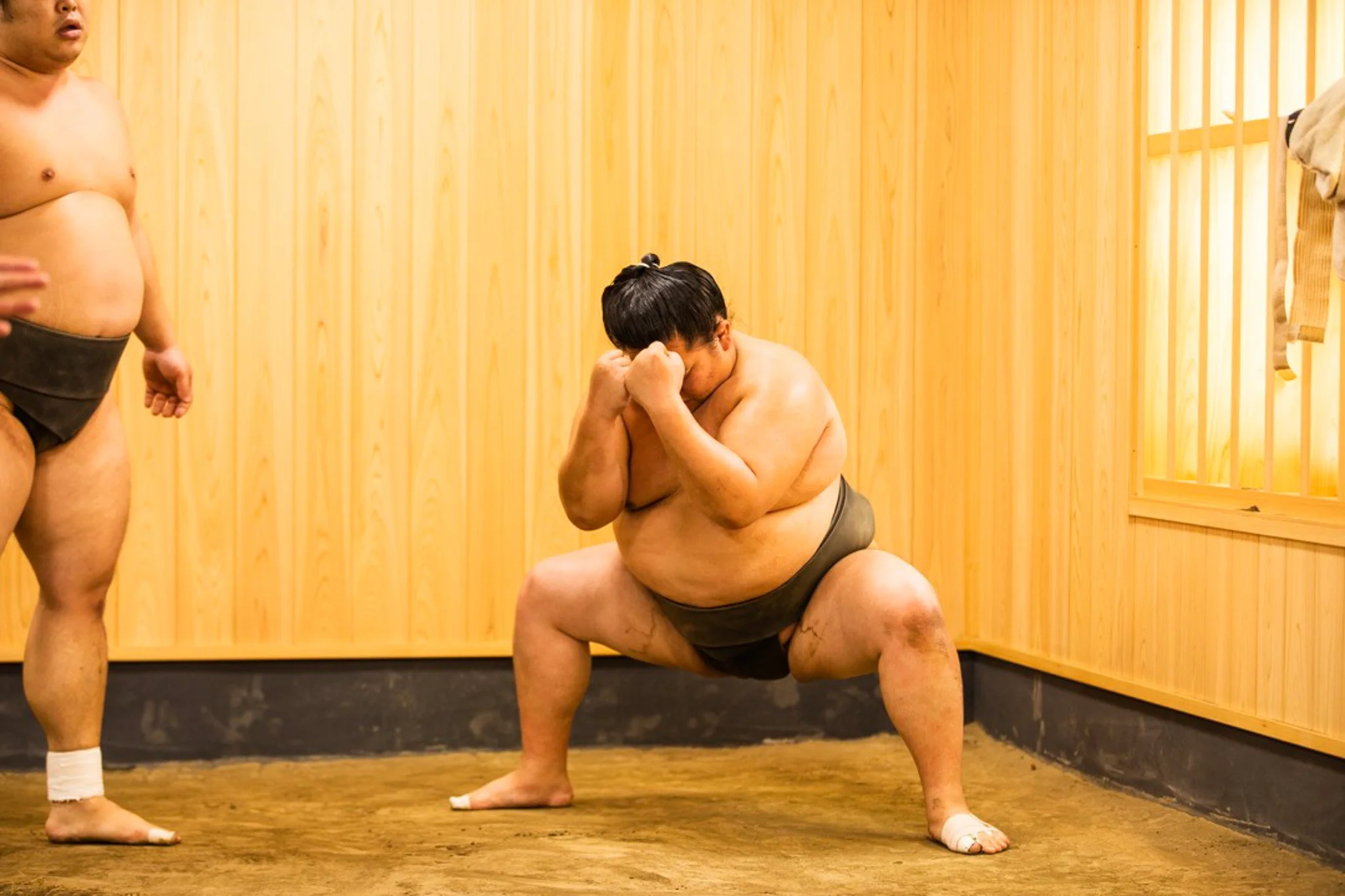
Get right next to the action and observe an authentic sumo training session

Experience the layered process of 200-year-old Edo ukiyo-e woodblock printing

Immerse into tea ceremony surrounded by the historic charm of Kanazawa